
Professional LED lighting
Ultra Long IP67 Neon Flex 24V & 48V
93 products
Outdoor neon flex that stays sealed through every UK season — our IP67 range handles permanent weather exposure, frost-thaw cycling, and years of maintenance-free performance. UK LED Lights stocks 18 IP67 neon flex pr...
Read more Show less
Outdoor neon flex that stays sealed through every UK season — our IP67 range handles permanent weather exposure, frost-thaw cycling, and years of maintenance-free performance. UK LED Lights stocks 18 IP67 neon flex products across single colour, RGB, and RGBW in 24V and 48V, shipping from Telford with free UK delivery.
Available in 6x12mm mini profile and 10x20mm full-size, colour temperatures from 2700K warm white to 6000K cool white, and continuous runs up to 50 metres on 48V without voltage drop. Call 01952 370008 or email sales@ukledlights.co.uk — our technical team will spec your project before you order.
IP67 Rated · UV-Stable Silicone · 24V & 48V · Single Colour · RGB · RGBW · 6x12mm & 10x20mm · CRI >80 · Free-Cut · Frost-Thaw Resistant · 50,000hr Lifespan · 3-Year Warranty · Free UK Delivery
Quick decision guide:
- Garden border or pathway: IP67 neon flex 24V warm white 2700K, 6x12mm — compact enough to recess into timber or composite deck edging.
- Building facade: IP67 neon flex 48V 10x20mm — up to 50m continuous run from a single feed point.
- Colour-changing accent: IP67 RGB 48V — pair with a WiFi controller for app and voice control.
- Decking perimeter: IP67 6x12mm — mount using neon flex clips at 250mm intervals.
- White and colour: IP67 RGBW 48V — dedicated white channel produces clean warm white that RGB alone cannot match.
Who IP67 neon flex is for: Homeowners fitting permanent garden lighting, landscape designers specifying weatherproof accents, electricians installing outdoor features, signage fabricators building weather-exposed displays, and hospitality teams lighting terraces and beer gardens year-round.
Who IP67 neon flex is NOT for: Entirely indoor installations — standard LED neon flex covers that at lower cost. Submerged pond or fountain features — you need IP68. Maximum brightness task lighting — COB LED strip in a profile delivers higher output per watt.
Common buying mistakes:
- IP65 for outdoor UK use: IP65 handles surface splashes only — it fails within months under sustained rainfall and frost-thaw. IP67 is the minimum for permanent outdoor use in 2026.
- Unsealed cut ends: Every cut removes waterproofing. Seal with a silicone end cap and adhesive immediately — unsealed ends corrode copper tracks within weeks.
- Powering while coiled: Silicone traps heat. Running on the reel causes thermal build-up, adhesive failure, and fire risk. Uncoil and mount first.
- Dimmable driver with RGB/RGBW: These require a non-dimmable constant-voltage driver plus a dedicated RGB controller. Dimmable drivers cause flicker and colour shift.
- Bare metal mounting: Direct contact with uncoated metal risks short circuits. Use plastic clips or an insulating channel.
What makes IP67 neon flex different from IP65 and IP68?
IP67 neon flex is fully dust-tight and rated to withstand temporary water immersion up to one metre for thirty minutes. For UK outdoor use, this means it handles sustained rainfall, ground splashing, frost-thaw cycles, and domestic jet-washing without moisture reaching the internal LED circuit. IP65 covers surface splashes only — inadequate for permanent UK outdoor use. IP68 is rated for continuous submersion and is only necessary for ponds, fountains, and underwater features.
| Rating | Water Protection | Suitable UK Applications | Not Suitable For |
|---|---|---|---|
| IP65 | Low-pressure jets | Sheltered porches, covered patios | Open gardens, facades, driveways |
| IP67 | Temporary immersion to 1m / 30 min | Garden borders, facades, decking, driveways, steps | Ponds, fountains, submerged use |
| IP68 | Continuous submersion | Ponds, fountains, water features | Overspend for above-water use |
For the majority of UK outdoor projects in 2026 — garden borders, facades, decking, driveways, and commercial exteriors — IP67 is the correct specification. Choosing IP65 for outdoor UK use is the most common error we see, typically resulting in failure within six to twelve months.
Which voltage should you choose for IP67 neon flex — 24V or 48V?
For runs under 12 metres from one power feed, 24V IP67 neon flex delivers consistent brightness at lower driver cost. For runs above 12 metres, 48V halves the rate of voltage drop compared to 24V at the same wattage over the same distance, allowing single-feed runs up to 50 metres on some products in our 2026 range. Choose 48V for long facades, driveways, and commercial perimeters where minimising feed points reduces installation complexity.
| Voltage | Single-Feed Max | Dual-Feed Max | Best For |
|---|---|---|---|
| 24V IP67 | Up to 12m | Up to 20m | Garden borders, deck perimeters, step nosing |
| 48V IP67 | Up to 50m | 50m+ with injection | Long facades, driveways, large gardens |
| 48V IP67 RGB | Up to 30m | 30m+ with injection | Colour-changing architectural features |
Both voltages fall within the SELV threshold under BS7671 (120V DC ripple-free maximum), provided they are supplied from a suitably isolated, safety-rated driver — meaning significantly reduced shock risk under dry conditions. RCD protection and qualified electrician involvement remain essential for permanently wired outdoor installations.
How do you install IP67 neon flex outdoors?
Installing IP67 neon flex outdoors requires planning your route, mounting the driver in a weatherproof enclosure, fixing clips along the path, pressing the flex into clips, sealing all cut ends with waterproof end caps, and testing before final cable management. A typical 10-metre residential installation takes two to four hours once the mounting surface is prepared.
- Plan and measure: Map the run path, add 200mm for terminations, mark clip positions at 250mm intervals (150mm on curves), and select a driver rated 20 percent above total wattage.
- Mount the driver: House in an IP65-minimum enclosure if outdoors, positioned close to the run start. Mains wiring must be completed by a qualified electrician under Part P.
- Fix mounting clips: Stainless screws for timber, masonry plugs for brick. Match clip size to profile — 6x12mm and 10x20mm need different clips.
- Cut at marked points only: Sharp blade, clean square cut at designated marks (typically every 25–50mm). A ragged cut makes end-cap sealing unreliable.
- Seal all cut ends: Silicone end cap with neutral-cure sealant, pressed firmly for 30 seconds. Allow 24 hours cure before rain exposure — this step determines years of service or weeks of failure.
- Press into clips: Work from the driver end. Maintain curves above minimum bend radius (approximately 50mm for 10x20mm, 30mm for 6x12mm). Never twist while bending.
- Seal the power connection: IP67-rated connectors or solder with adhesive-lined heatshrink. Create a drip loop to prevent water wicking along the cable.
- Test the full run: Check brightness consistency, correct colour, no dark spots. If the far end dims, add a second feed point or switch to 48V.
Call 01952 370008 for advice on driver sizing, cable gauge, or connection methods for your project.
Will IP67 neon flex survive UK frost and winter conditions?
Yes — high-specification silicone IP67 neon flex operates continuously from -20°C to +50°C, covering the full range of UK winter conditions including sustained frost, ice, and freeze-thaw cycling. The silicone body does not become brittle in cold temperatures like PVC alternatives, and the sealed construction prevents internal moisture that would expand and crack during freezing. Our IP67 range has been specified for permanent year-round UK outdoor installations since 2024.
- Silicone flexibility below zero: UV-stable silicone remains flexible at -20°C, preventing stress fractures at bends and clip points. PVC stiffens below 5°C and cracks below 0°C.
- No moisture pathway when sealed: Capped cut ends and sealed connections leave no entry point for moisture that could freeze and crack the internal PCB.
- UV and weather resistance: Silicone does not yellow under UV. PVC yellows within 12–18 months outdoors in 2025 and 2026 installations we have inspected.
- Frost-thaw cycling: Repeated freeze-thaw — the specific pattern of British winters — tests every seal and joint. IP67 silicone neon flex is engineered for exactly this exposure.
What is the maximum run length without voltage drop?
Our 24V IP67 neon flex supports runs up to 12 metres from one feed, or 20 metres powered from both ends. Our 48V extends this to 30–50 metres single-feed depending on wattage per metre. For runs exceeding these limits, power from both ends or add a mid-run injection point. 48V reduces total driver count on multi-run projects — call 01952 370008 to discuss layout.
How do you seal cut ends to maintain IP67 waterproofing?
Every cut end must be sealed with a fitted silicone end cap bonded using neutral-cure silicone sealant. The cap must cover the entire cut face with firm contact and full sealant coverage around the join perimeter. Allow 24 hours cure before rain exposure. End-seal failure is the number one cause of IP67 neon flex breakdown in outdoor UK installations — and almost always preventable.
- Cut square and clean: Sharp blade, perpendicular to the axis at a designated cut mark. Wipe the face clean before capping.
- Neutral-cure sealant only: Acetic-cure (vinegar smell) corrodes copper tracks over time.
- Press and hold 30 seconds: Check for squeeze-out around the full perimeter — any gap is a moisture entry point.
- Cold weather: Below 5°C, extend cure to 48 hours. No rain contact during curing.
- Annual inspection: Reseal any cap showing separation — a five-minute job that prevents moisture ingress.
Which colours are available in IP67 neon flex?
Our 2026 IP67 range includes warm white (2700K and 3000K), natural white (4000K), cool white (6000K), RGB for full colour-changing, and RGBW with a dedicated clean white channel. Single colour is available in 24V and 48V. RGB and RGBW are available in 48V and require dedicated controllers — never standard dimmers.
- Warm white 2700K: Closest to tungsten. Most popular for residential gardens and decking in 2026.
- Warm white 3000K: Slightly cooler. Preferred for facades and pathways.
- Natural white 4000K: Neutral daylight for commercial frontages where colour accuracy matters.
- Cool white 6000K: High-visibility for driveway delineation, car parks, and security perimeters.
- RGB 48V: Full colour-changing via WiFi or RF controller. Cannot produce clean white — the mixed result has a violet tinge.
- RGBW 48V (3000K white): RGB plus a dedicated warm white channel — the choice for installations needing both colour and functional white.
Call 01952 370008 for help matching colour temperature to your space.
What driver and controller does IP67 neon flex need?
Every installation needs a constant-voltage LED driver matched to the voltage (24V or 48V) and rated 20 percent above total wattage. Single-colour uses a dimmable driver with a trailing-edge dimmer. RGB and RGBW must use a non-dimmable constant-voltage driver paired with a dedicated controller — never a dimmable driver, which causes flicker, colour shift, and premature failure.
- Driver sizing example: 10m at 10W/m = 100W. Select a 120W driver (20 percent overhead). Browse our LED driver range.
- Single-colour dimming: Trailing-edge dimmer for flicker-free control. Leading-edge dimmers cause flicker — replace with trailing-edge (approximately £15) for an immediate fix.
- RGB/RGBW control: Dedicated controller between driver and neon flex. WiFi, RF remote, or voice via Alexa and Google Home. Browse our LED controller range.
- Outdoor placement: House the driver in an IP65-minimum enclosure with ventilation. Many installers mount drivers indoors and run low-voltage cable outdoors to simplify weatherproofing.
Why choose UK LED Lights for IP67 neon flex?
UK LED Lights stocks all 18 IP67 neon flex products at our Telford warehouse — no drop-shipping, no overseas lead times. Free delivery on every order, 3-year warranty, and direct phone support on 01952 370008, Monday to Friday 9am–5pm. Our technical team has specified IP67 neon flex for projects across the UK throughout 2025 and 2026.
- UK warehouse stock: Ships same or next working day from Unit D4, Stafford Park 4, Telford, TF3 3BA.
- Technical support: Call 01952 370008 or email sales@ukledlights.co.uk with project dimensions for a full recommendation.
- Free UK mainland delivery: No minimum spend. Economy 3–4 working days.
- 3-year warranty: Full manufacturer warranty on every IP67 product.
- Complete accessories: Clips, end caps, drivers, controllers, enclosures — order together. Browse our neon flex accessories.
- IP67 neon flex is our most specified outdoor product — rated for permanent UK weather exposure including frost, rain, and direct UV.
- We seal every IP67 neon flex connection with marine-grade end caps — the seal is the weak point in every outdoor installation.
Ready to order? Browse our IP67 neon flex collection below, call 01952 370008 for project advice, or email sales@ukledlights.co.uk. UK LED Lights — IP67 neon flex specialists, Telford, Shropshire.
How does IP67 neon flex compare to IP65 and IP68 for UK outdoor use?
The rating difference between IP65, IP67, and IP68 determines whether your neon flex survives UK weather, temporary immersion, or permanent submersion.
| Feature | IP65 | IP67 | IP68 |
|---|---|---|---|
| Water protection | Surface splashes only | Temporary immersion to 1m / 30 min | Continuous submersion beyond 1m |
| UK outdoor suitability | Not suitable for permanent use | Correct for all above-water outdoor use | Required for ponds and water features |
| Frost-thaw resistance | Poor — seams fail within months | Silicone stays flexible to -20C | Full silicone body rated to -40C |
| Cost per metre | Lowest | Standard outdoor pricing | 20-35% more than IP67 |
| Best for | Sheltered indoor use only | Gardens, patios, facades, signage | Ponds, fountains, pools |
IP67 is the correct specification for permanent UK outdoor neon flex installations above water level. IP65 fails in British weather. IP68 is only necessary for submerged applications. Call 01952 370008 for advice.
Frequently Asked Questions — IP67 Neon Flex
Can I use IP67 neon flex around a pool or pond?
IP67 handles splashing and rain above the waterline but is not rated for continuous submersion. Above water level, IP67 is suitable. Below the waterline — inside ponds, fountains, or below pool coping — you need IP68 neon flex.
- Above waterline: IP67 — pool surrounds, raised beds near ponds, fountain pedestals above water.
- Below waterline: IP68 required — inside ponds, fountain basins, submerged features.
Does IP67 neon flex need an aluminium profile?
No — the silicone body provides adequate thermal management at typical neon flex wattages of 8–14W per metre. Profiles are used for mounting and aesthetics — recessed channels in decking or walls — not heat dissipation.
- Thermal management: Silicone extrusion provides passive cooling. No heatsink needed.
- When profiles help: Recessed installations where you want the body hidden and only light output visible.
How long does IP67 neon flex last outdoors?
Rated for 50,000 hours at L70 — approximately 17 years at 8 hours daily use. The real-world limiting factor is seal integrity, which is why correct end-capping during installation determines actual lifespan more than any other variable.
- LED lifespan: 50,000+ hours at L70.
- Silicone body: UV-stable — does not yellow, crack, or become brittle in UK conditions.
- Maintenance: Annual end-cap inspection. Reseal any cap showing separation.
Can I dim IP67 neon flex?
Single-colour dims smoothly with a trailing-edge dimmer or PWM controller. RGB and RGBW dimming is handled by the dedicated controller — the driver must be non-dimmable constant-voltage. Never use a dimmable driver with RGB or RGBW.
- Single colour: Trailing-edge dimmer or PWM controller. Smooth range from 100 percent to approximately 1 percent.
- RGB/RGBW: Controller handles dimming, colour mixing, and effects via remote, app, or voice.
- Avoid leading-edge dimmers: They cause flicker. Replace with trailing-edge — approximately £15.
What is the difference between PVC and silicone IP67 neon flex?
Silicone resists UV, stays flexible at -20°C, and lasts 50,000+ hours outdoors. PVC yellows within 12–18 months, becomes brittle below 0°C, and degrades 3–5 times faster. Every IP67 product in our 2026 range uses UV-stable silicone — we do not stock PVC.
- UV resistance: Silicone maintains clarity for the full lifespan. PVC yellows within 12–18 months.
- Cold performance: Silicone flexible at -20°C. PVC cracks at bends and clip points in winter.
- Longevity: Silicone lasts 3–5 times longer in permanent UK outdoor installations.
What accessories do I need?
A complete outdoor installation requires the neon flex, a matched constant-voltage driver, mounting clips at 250mm intervals, silicone end caps for every cut end, waterproof connectors, and a weatherproof enclosure for the driver. RGB and RGBW add a dedicated controller.
- Clips: Matched to 6x12mm or 10x20mm profile. Stainless fixings for outdoor use.
- End caps: Two per cut length. Keep spares.
- Driver: Constant-voltage, matched voltage, 20 percent overhead. See our LED drivers.
- Controller (RGB/RGBW): WiFi, RF, or Bluetooth. See our LED controllers.
- Enclosure: IP65 minimum for outdoor driver mounting.
Can I use IP67 neon flex in a bathroom?
- Yes — IP67 is suitable for bathroom Zone 1 and Zone 2 under BS7671 zoning requirements.
- For Zone 0 (inside a bath or shower), IP68 is required as the minimum rating for continuous water contact.
- IP65 is not suitable for any wet bathroom zone — it covers surface splashes only.
How do I connect IP67 neon flex to a driver?
- Solder the neon flex wire leads to the low-voltage cable, then seal with adhesive-lined heat shrink tubing for a watertight joint.
- Use IP67-rated waterproof connectors at every junction point for outdoor installations.
- Create a drip loop in the cable before it enters the driver enclosure to prevent water wicking along the cable into the electronics.
Can I use a dimmable driver with RGB IP67 neon flex?
- No — RGB and RGBW neon flex must use a non-dimmable constant-voltage driver paired with a dedicated RGB controller.
- The controller handles all dimming and colour mixing via PWM. A dimmable driver interferes with the controller signal and causes flicker, colour shift, and premature failure.
- Single-colour neon flex can use a dimmable driver with a trailing-edge dimmer for smooth brightness control.
Can IP67 neon flex produce clean white light in RGB mode?
- No — RGB neon flex cannot produce clean white. Mixing red, green, and blue channels produces a cold, violet-tinged white that looks unnatural.
- RGBW neon flex solves this with a dedicated warm white channel that produces true, natural white alongside the full RGB colour range.
- For installations needing both colour and functional white, RGBW is the correct specification.
What is the minimum bend radius for IP67 neon flex?
- 6x12mm mini profile: Approximately 30mm bend radius — suitable for tight decorative curves and signage.
- 10x20mm standard profile: Approximately 50mm bend radius — suitable for architectural features and garden borders.
- Exceeding the minimum bend radius causes kinking, uneven light output, and stress points that compromise the silicone encapsulation over time.
How do I prevent flickering with dimmed IP67 neon flex?
- For single-colour: Replace any leading-edge dimmer with a trailing-edge model. This costs approximately £15 and typically resolves the most common cause of flickering.
- For RGB and RGBW: Dimming is handled by the controller. If flickering occurs, check the controller output frequency and connections.
- Avoid leading-edge dimmers entirely — they are incompatible with most LED drivers and controllers.
Can I mount IP67 neon flex on bare metal surfaces?
- Avoid direct contact with bare, uncoated metal. While the silicone encapsulation provides some insulation, pressure points can thin the silicone and create short-circuit risks.
- Use plastic mounting clips or an insulating channel between the neon flex and any metal mounting surface.
- For metal fences and railings, use insulated brackets or adhesive-backed insulating tape between the clips and the metal surface.
Should I power IP67 neon flex while it is still coiled?
- Never power neon flex while coiled on the reel. Silicone traps heat — thermal build-up causes adhesive failure, LED degradation, and fire risk.
- Always uncoil and mount fully in clips along the planned route before connecting power.
- This applies to all voltages and colour options — 24V, 48V, single colour, RGB, and RGBW.
Does UK LED Lights offer free delivery on IP67 neon flex?
- Yes — free UK mainland delivery on every order. No minimum spend required.
- All 18 IP67 products ship from our Telford warehouse — Unit D4, Stafford Park 4, TF3 3BA. Same or next working day dispatch.
- For project specification, call 01952 370008 Monday to Friday, 9am–5pm, or email sales@ukledlights.co.uk with your dimensions.
What warranty covers IP67 neon flex from UK LED Lights?
- 3-year full manufacturer warranty on every IP67 neon flex product in the UK LED Lights 2026 range.
- Warranty covers manufacturing defects in LED output, silicone encapsulation, and colour consistency.
- Warranty does not cover: Damage from unsealed cut ends, incorrect installation, use of dimmable drivers with RGB/RGBW, mounting without clips, or powering while coiled.
- Contact: Call 01952 370008 or email sales@ukledlights.co.uk. UK LED Lights Ltd, Company No: 12301805.
Can I use IP67 neon flex indoors?
- Yes — IP67 neon flex works perfectly indoors. However, standard indoor neon flex (IP20 or IP44) costs less and performs identically in dry environments.
- Choose IP67 for indoor installations only if the area has moisture exposure — bathrooms, kitchens near water sources, or commercial environments with wash-down requirements.
- Browse our full neon flex range for indoor-rated options at lower cost.
How do I calculate the correct driver size for IP67 neon flex?
- Multiply wattage per metre by total run length, then add 20 percent headroom. Example: 10m at 10W/m = 100W. Select a 120W driver minimum.
- Match the driver voltage to the neon flex voltage: 24V neon flex needs a 24V driver, 48V needs a 48V driver.
- For RGB/RGBW, the driver must be non-dimmable constant voltage. The controller sits between driver and neon flex.
How long does IP67 neon flex installation take?
- A typical 10-metre residential installation takes 2–4 hours once the mounting surface is prepared.
- Allow additional time for sealing cut ends — 24 hours cure time for silicone end cap sealant before rain exposure.
- Mains wiring by a qualified electrician should be scheduled separately if required for permanent circuits under Part P.
Is IP65 neon flex good enough for outdoor UK use?
- No — IP65 is not suitable for permanent outdoor use in the UK. IP65 handles surface splashes only and fails within 6–12 months under sustained rainfall and frost-thaw cycling.
- IP67 is the minimum for any permanent outdoor installation in UK weather conditions.
- IP68 is required for submerged or pond applications.
Last reviewed: March 2026 — UK LED Lights technical team, Telford, Shropshire. Specifications current as of 2026.
UK LED specialist, Telford, Shropshire · 01952 370008 · Free UK delivery

Warm White 2700K Neon Flex 24V 6x12mm IP67 1cm Cut 15m
SKU: NF2700K24V612-IP67-1CMFrom £23.15Unit price /Unavailable
Warm White 3000K Neon Flex 24V 6x12mm IP67 1cm Cut 15m
SKU: NF3000K24V612-IP67-1CMFrom £24.03Unit price /Unavailable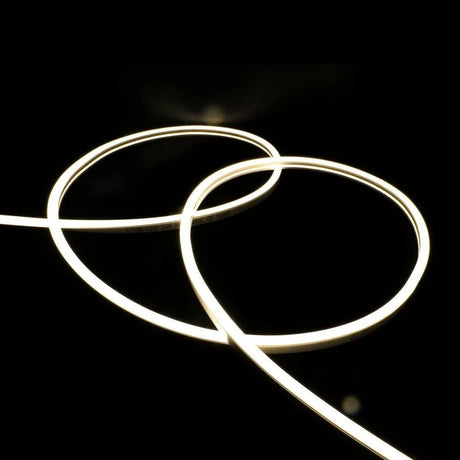
Natural White 4000K 24V 6x12mm IP67 1cm Cut 15m
SKU: NF4000K24V612-IP67-1CMFrom £23.15Unit price /Unavailable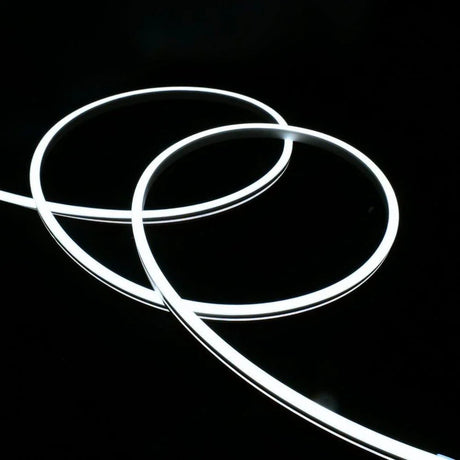
Cool White 6000K Neon Flex 24V 6x12mm IP67 1cm Cut 15m
SKU: NF6000K24V612-IP67-1CMFrom £23.15Unit price /Unavailable
Cool White Neon Flex 6000K 24V 10x20mm IP67 Waterproof 20m
SKU: NFCW24VIP67-1020From £23.45Unit price /Unavailable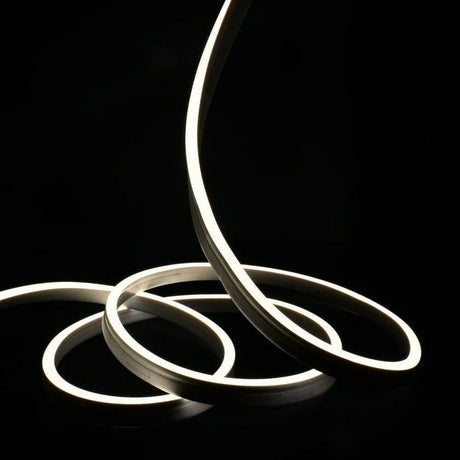
Natural White Neon Flex 4000K 24V 10x20mm IP67 Waterproof 12.5cm Cut
SKU: NFNW24VIP67-1020From £23.45Unit price /Unavailable
Warm White Neon Flex 2800K 24V 10x20mm IP67 Waterproof 20m
SKU: NFWW24VIP67-1020From £23.45Unit price /Unavailable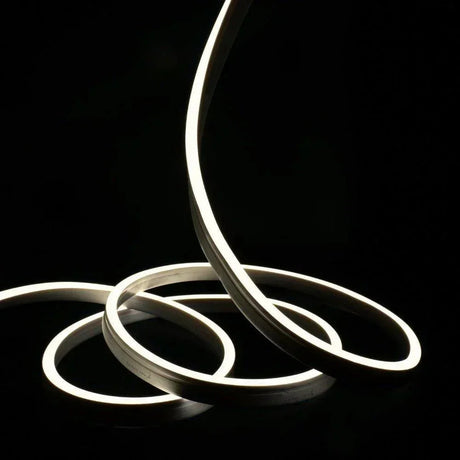
Natural White Neon Flex 4000K 48V 10x20mm IP67 Waterproof 50m
SKU: NFNWIP67-102048VFrom £23.85Unit price /Unavailable



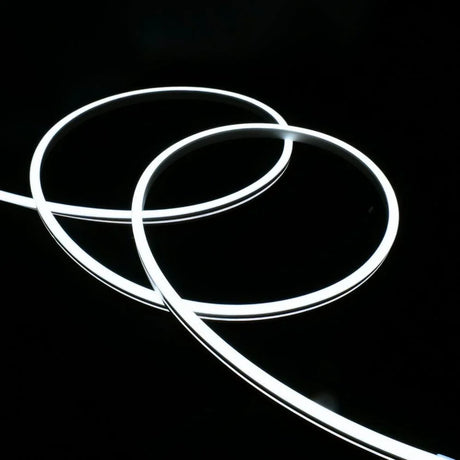
MaxiFlex White 24V 6x12mm Ip67 1cm Cut 15m
SKU: MX27K-612-IP67-15MFrom £23.15Unit price /Unavailable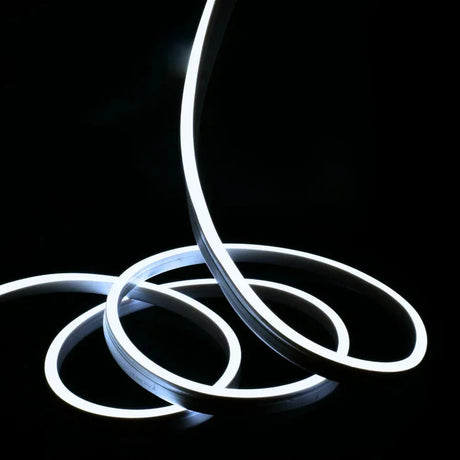
Cool White Neon Flex 6000K 48V 10x20mm IP67 Waterproof 50m
SKU: NFCWIP67-102048VFrom £23.85Unit price /Unavailable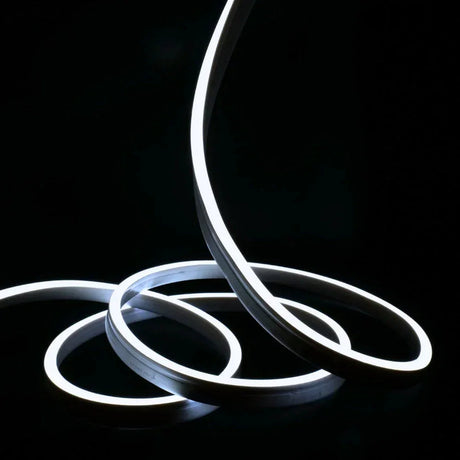
Cool White Neon Flex 6000K 48V 10x20mm IP67 Waterproof 50m
SKU: NFCWIP67-102048VFrom £23.85Unit price /Unavailable
RGBW (3000K) LED Neon Flex 13x13mm IP67 Waterproof 48V 20 Metre
SKU: NFRGBWW-48V-20MFrom £31.95Unit price /Unavailable
Warm White Neon Flex 2800K 48V 10x20mm IP67 Waterproof 50m
SKU: NFWWIP67-102048VFrom £23.85Unit price /Unavailable
Extra Long RGB Neon Flex 48V 10x20mm IP67 Waterproof 30 Metre
SKU: NFRGBIP6848V-1020From £35.85Unit price /Unavailable
Warm White Neon Flex 2700K 24V 6x12mm IP67 Waterproof 5cm Cut 20m
SKU: NF2700K24V612-IP67-5CMFrom £23.30Unit price /Unavailable
Warm White Neon Flex 3000K 24V 6x12mm IP67 Waterproof 5cm Cut 20m
SKU: NF3000K24V612-IP67-5CMFrom £24.23Unit price /Unavailable
Natural White Neon Flex 4000K 24V 6x12mm IP67 Waterproof 5cm Cut 20m
SKU: NF4000K24V612-IP67-5CMFrom £23.30Unit price /Unavailable
Cool White Neon Flex 6000K 24V 6x12mm IP67 Waterproof 5cm Cut 20m
SKU: NF6000K24V612-IP67-5CMFrom £23.30Unit price /Unavailable


Decking LED Lights White 6x12mm Ip67 24V 1cm Cut 15m
SKU: DEK27K-612-IP67-15MFrom £23.15Unit price /Unavailable


Decking LED Lights White 6x12mm Ip67 24V 5cm Cut 20m
SKU: DEK27K-612-IP67-20MFrom £23.35Unit price /Unavailable


Decking LED Lights White 6x12mm Ip67 48V 10cm Cut 40m
SKU: DEK27K-612-IP67-40MFrom £23.95Unit price /Unavailable


MaxiFlex White Extra Long 24V 6x12mm Ip67 5cm Cut 20m
SKU: MX27K-612-IP67-20MFrom £23.35Unit price /Unavailable


MaxiFlex White Extra Long 48V 6x12mm Ip67 10cm Cut 40m
SKU: MX27K-612-IP67-40MFrom £23.85Unit price /Unavailable
RGBW (3000K) LED Neon Flex 10x18mm IP67 Waterproof 48V 20 Metre
SKU: NFRGBWW-48V-20M-1018From £31.95Unit price /Unavailable
RGBW (3000K) LED Neon Flex 10x18mm IP67 Waterproof 48V 20 Metre
SKU: NFRGBWW-48V-20M-1018From £31.95Unit price /Unavailable
Warm White Neon Flex 2700K 24V 8x16mm IP67 Waterproof 5cm Cut 20m
SKU: NF2700K24V816-IP67-5CMFrom £23.85Unit price /Unavailable
Warm White Neon Flex 3000K 24V 8x16mm IP67 Waterproof 5cm Cut 20m
SKU: NF3000K24V816-IP67-5CMFrom £24.75Unit price /Unavailable
Natural White Neon Flex 4000K 24V 8x16mm IP67 Waterproof 5cm Cut 20m
SKU: NF4000K24V816-IP67-5CMFrom £23.85Unit price /Unavailable
Cool White Neon Flex 6000K 24V 8x16mm IP67 Waterproof 5cm Cut 20m
SKU: NF6000K24V816-IP67-5CMFrom £23.85Unit price /Unavailable


MaxiFlex Extra Long White 8x16mm IP67 24V 5cm Cut 20m
SKU: NF2700K24V816-IP67-5CMFrom £23.85Unit price /Unavailable


MaxiFlex LED Neon Flex For Decking and Driveway 8x16mm IP67 5cm Cut 20m
SKU: NF2700K24V816-IP67-5CMFrom £23.85Unit price /Unavailable
Warm White Neon Flex 2700K 48V 8x16mm IP67 Waterproof 10cm Cut 40m
SKU: NF2700K48V816-IP67-10CMFrom £24.55Unit price /Unavailable
Warm White Neon Flex 3000K 48V 8x16mm IP67 Waterproof 10cm Cut 40m
SKU: NF3000K48V816-IP67-10CMFrom £25.48Unit price /Unavailable
Natural White Neon Flex 4000K 48V 8x16mm IP67 Waterproof 10cm Cut 40m
SKU: NF4000K48V816-IP67-10CMFrom £24.55Unit price /Unavailable
Cool White Neon Flex 6000K 48V 8x16mm IP67 Waterproof 10cm Cut 40m
SKU: NF6000K48V816-IP67-10CMFrom £24.55Unit price /Unavailable


MaxiFlex Extra Long White 8x16mm IP67 48V 10cm Cut 40m
SKU: NF2700K48V816-IP67-10CMFrom £24.55Unit price /Unavailable


MaxiFlex LED Neon Flex For Decking and Driveway 8x16mm IP67 48V 10cm Cut 40m
SKU: NF2700K48V816-IP67-10CMFrom £24.55Unit price /Unavailable


MaxiFlex Outdoor Dotless LED Strip 8x16mm IP67 24V 1cm Cut
SKU: NF2700K24V816-IP67-1CMFrom £23.35Unit price /Unavailable


MaxiFlex Outdoor Dotless LED Strip 8x16mm IP67 24V 5cm Cut
SKU: NF2700K24V816-IP67-5CMFrom £23.85Unit price /Unavailable


MaxiFlex Outdoor Dotless LED Strip 8x16mm IP67 48V 10cm Cut
SKU: NF2700K48V816-IP67-10CMFrom £24.55Unit price /Unavailable
Cool White Neon Flex 6000K 48V 6x12mm IP67 Waterproof 10cm Cut 40m
SKU: NF6000K612-IP67-10CM-48VFrom £23.95Unit price /Unavailable
Natural White Neon Flex 4000K 48V 6x12mm IP67 Waterproof 10cm Cut 40m
SKU: NF4000K612-IP67-10CM-48VFrom £23.95Unit price /Unavailable
Warm White Neon Flex 3000K 48V 6x12mm IP67 Waterproof 10cm Cut 40m
SKU: NF3000K612-IP67-10CM-48VFrom £24.86Unit price /Unavailable
Warm White Neon Flex 2700K 48V 6x12mm IP67 Waterproof 10cm Cut 40m
SKU: NF2700K612-IP67-10CM-48VFrom £23.95Unit price /Unavailable
Warm White Neon Flex 2700K 24V 10x10mm Dual Bend IP67 Waterproof 12m
SKU: NF24-DB1010-27KFrom £23.95Unit price /Unavailable
Warm White Neon Flex 3000K 24V 10x10mm Dual Bend IP67 Waterproof 12m
SKU: NF24-DB1010-30KFrom £23.95Unit price /Unavailable
Natural White Neon Flex 4000K 24V 10x10mm Dual Bend IP67 Waterproof 12m
SKU: NF24-DB1010-40KFrom £23.95Unit price /Unavailable
Cool White Neon Flex 6000K 24V 10x10mm Dual Bend IP67 Waterproof 12m
SKU: NF24-DB1010-60KFrom £23.95Unit price /Unavailable
Addressable Digital Pixel RGB Neon Flex 24V 10x20mm IP67 Waterproof WS2811
SKU: ALNFDRGB24V1020-IP67From £37.55Unit price /Unavailable
Outdoor LED Strip Warm White 2700K 24V 8x16mm IP67 1cm Cut 15m
SKU: OUTSL2700K24V816-IP67-1CMFrom £23.35Unit price /Unavailable


What are the key differences between PET and IP67 neon flex?
PET neon flex is lightweight and typically intended for indoor or protected locations, while IP67 neon flex is fully sealed against dust and temporary immersion and is built for outdoor exposure and harsher environments.
What does an IP67 rating mean for neon flex in real-world outdoor and wet use?
IP67 indicates total protection from dust and resistance to temporary immersion up to 1 metre, so properly terminated IP67 neon flex can handle rain, splashes, and occasional submersion when installed correctly.
How does IP67 compare with IP65 and IP68 in protection, cost, and typical use cases?
IP65 protects against jets/splashes (good for sheltered exteriors), IP67 adds temporary immersion resistance for more exposed outdoor use, and IP68 is for continuous submersion higher ratings generally increase cost and require more robust termination techniques.
How do PET, PVC, PU and silicone neon flex compare in durability and weather resistance?
Silicone offers the best UV, temperature and chemical resistance for long-term outdoor use, PVC and PU are mid-range options with moderate durability, and PET is usually for indoor/light-duty applications.
What mounting methods are recommended for IP67 neon flex outdoors?
Use aluminum mounting channels, stainless steel clips, or UV-rated silicone adhesives with appropriate spacing for thermal expansion and mechanical strain relief to ensure a durable outdoor installation.
How do you splice and waterproof IP67 neon flex connections?
Use manufacturer-approved IP67 waterproof connectors or adhesive-lined heat shrink, then pot or seal the joint with neutral-cure silicone or resin to restore the enclosure and prevent moisture ingress.
How should IP67 neon flex be terminated and sealed to avoid water entry at joints and end caps?
Fit correct end caps, apply recommended waterproof adhesive or silicone sealant, ensure cable glands are sealed, and allow full cure time never leave exposed copper or unsealed gaps at terminations.
What cable types, connectors and power supplies are recommended to maintain an IP67 installation?
Use UV-resistant, tinned-copper cables, IP67/IP68-rated connectors and glands, and a weatherproof, adequately sized DC power supply installed in a ventilated IP-rated enclosure.
What are the most common installation mistakes with IP67 neon flex and how can they be avoided?
Common errors include poor end sealing, exceeding bend radius, and inadequate strain relief avoid them by following manufacturer termination procedures, using correct profiles/clips, and leaving expansion gaps.
What is the maximum continuous run length for IP67 neon flex at 24 V?
Maximum continuous length varies by product and wattage, but many 24 V neon flex products support roughly 10–20 metres per continuous feed; for longer runs plan power-injection points or higher-voltage options.
How do I size the power supply for a long IP67 neon flex run (method)?
Multiply the neon flex’s watts per metre by the total length, then add 20–30% headroom for reliable continuous operation and to allow for voltage drop and inrush; choose a weatherproof PSU rated for that wattage.
Can IP67 neon flex be used for long continuous runs on roofs and parapets with 24 V?
Yes 24 V helps reduce current and voltage drop for longer runs, but you should still use trunk-and-branch feeds or periodic power injections to maintain even brightness across very long runs.
What profiles and bend directions work best for tight curves versus straight architectural lines?
Use shallow, flexible profiles or side-bend silicone jackets for tight curves and rigid aluminium channels with opal diffusers for long straight runs to optimize diffusion and heat dissipation; always respect the product’s specified bend radius.
Why is IP67 neon flex a good choice for façade outlines, bridges, and signage?
Its sealed housing and robust materials deliver continuous, uniform illumination that withstands weather and mechanical stresses, making it ideal for visible architectural accents and outdoor signage.
How do UV exposure, temperature cycling and pollution affect IP67 neon flex lifespan?
UV, thermal cycling and airborne pollution can accelerate aging of lower-grade materials and seals; selecting UV-stabilized silicone and following best-practice installation reduces degradation and extends service life.
What cleaning and inspection routine is recommended for IP67 neon flex in outdoor installations?
Inspect seals, connectors and mounts at least annually (more often in harsh or coastal environments) and clean covers with mild soap and water to remove pollutants without damaging seals or coatings.
How does IP67 neon flex energy efficiency compare to traditional neon lighting?
LED neon flex uses significantly less power and emits less heat than glass neon, providing lower running costs and easier installation while delivering similar visual impact.
What specification checks and warranties should buyers look for when selecting IP67 neon flex?
Verify IP rating, lumen output (or lux per metre), CRI (if relevant), bend radius, UV stabilization, salt-air resistance, manufacturer warranty terms, and any certifications for outdoor/marine use.
When is IP67 sufficient and when should you choose IP68 instead?
Choose IP67 for rain-exposed façades, signage and splash-prone areas; upgrade to IP68 if the installation will be continuously submerged or regularly exposed to standing water.
How should you handle power-injection and voltage drop on long outdoor IP67 neon flex runs?
Calculate current per segment and inject power at regular intervals or use parallel feed trunks to minimize I²R losses; for long continuous layouts consider higher system voltages or distributed supplies to keep voltage stable.