
Professional LED lighting
Silicone Covers for LED Strip: Flexible Protection & Professional Light Diffusion
26 products
Turn any LED strip into a smooth, dot-free neon-style light line — that is exactly what a silicone cover does. UK LED Lights stocks 26 LED neon flex silicone covers for 2026: round, square, side-emitting, and curved p...
Read more Show less
Turn any LED strip into a smooth, dot-free neon-style light line — that is exactly what a silicone cover does. UK LED Lights stocks 26 LED neon flex silicone covers for 2026: round, square, side-emitting, and curved profiles in sizes from 10mm to 50mm wide, all precision-engineered from UV-stable silicone that will not yellow, crack, or harden in permanent UK outdoor exposure. Convert bare COB or SMD strip into a weatherproof, continuous-glow neon effect with a single slip-on component.
Our silicone LED diffuser range includes open-bottom slip-on covers and fully enclosed tube profiles, black silicone options for signage backing and contrast applications, and high-specification silicone rated from -40°C to +80°C continuous. Available in opal white, natural, and black finishes across every profile shape. Need help matching a cover to your strip? Call 01952 370008 or email sales@ukledlights.co.uk.
Opal White · Black · Natural · Round · Square · Side-Emitting · Curved · 10mm–50mm · Slip-On · Open-Bottom · Fully Enclosed · IP67 Upgrade · UV-Stable Silicone · COB & SMD Compatible · Free UK Delivery
Quick decision guide:
- Neon sign or lettering: Round 10x10mm or 16x16mm in opal white — even 360° glow, tight curves for lettering when paired with COB strip.
- Kitchen cove or ceiling perimeter: Square or flat-top cover — sits flush, directs light through the diffused face only.
- Garden border or outdoor pathway: Fully enclosed tube profile — seals IP20 strip to IP67-equivalent protection against rain, frost, and UV.
- Architectural accent or hospitality wall-wash: Side-emitting profile — projects light laterally from a recessed channel.
- Contrast signage or backlit lettering: Black silicone cover — blocks rear-face light, pushing all output forward for sharper definition.
Who silicone covers are for: Sign makers, electricians, interior designers, garden lighting specifiers, and homeowners who want the smooth neon-flex look without buying pre-built neon flex. Silicone covers let you choose your own strip specification — voltage, colour temperature, CRI, wattage — and slide it into a protective housing on site. The strip stays accessible and replaceable.
Who silicone covers are NOT for: If you need maximum raw lumen output for task lighting, a rigid aluminium LED profile with a polycarbonate lens delivers better thermal management and higher sustained brightness. If your strip is permanently hidden inside a closed ceiling void where nobody will see the light source, a cover adds cost without visual benefit. Browse our COB LED strip range for task and profile-based applications.
Common buying mistakes to avoid:
- Wrong internal width: Measure your bare strip PCB width first. The cover's internal channel must be 1–2mm wider than the PCB. Too tight damages copper traces during feeding. More than 4mm wider and the strip sits off-centre, producing uneven light output.
- PVC covers for permanent outdoor use: PVC yellows within 12–18 months of UK exposure and cracks at bend points by the second winter. Every cover in this collection is professional-grade silicone — UV-stable, frost-proof to -40°C, tested to resist yellowing for 5+ years outdoors.
- Expecting IP67 from an open-bottom cover: Open-bottom covers achieve approximately IP54 splash protection. For full IP67 immersion protection, you need a fully enclosed tube with sealed end caps.
- Powering strip while coiled inside a cover: Silicone retains heat. A coiled covered strip cannot dissipate heat — temperatures climb rapidly, adhesive fails, LEDs degrade, fire risk. Always uncoil and mount before powering on.
- Choosing SMD strip for a visible neon effect: SMD produces visible individual dots through silicone, especially in thinner profiles. For a true continuous light line, use COB LED strip — chip-on-board construction eliminates dot spacing entirely.
What is an LED neon flex silicone cover and how does it work?
An LED neon flex silicone cover is a flexible, hollow silicone extrusion that slides over a bare LED strip to transform visible individual LEDs into a smooth, continuous line of diffused light — replicating the appearance of traditional neon tubing without fragility, high voltage, or specialist installation. The silicone body diffuses, protects, and weatherproofs the strip in a single component.
Bare LED strip emits light from discrete points. A silicone cover wraps around the strip and scatters light through the translucent wall, blending adjacent output into one unbroken glow. Silicone covers serve three functions in 2026 installations:
- Optical diffusion: The opal silicone wall eliminates visible hotspots and dot patterns. Light transmittance through commercial-grade premium silicone is typically 85–92 percent — minimal brightness loss with complete visual uniformity.
- Physical protection: The silicone body shields the PCB, solder joints, and copper traces from abrasion, dust, and impact, extending operational life compared to bare or adhesive-only weatherproofing.
- IP upgrade: A bare IP20 strip fitted inside a fully enclosed silicone tube with sealed end caps achieves approximately IP67-equivalent ingress protection — suitable for outdoor garden installations, bathroom wet zones, and commercial environments.
How do you choose the right profile shape for your project?
Profile shape determines where light is emitted and how the cover mounts. Round profiles emit 360° light for freestanding signs and suspended features. Square and flat-top profiles direct light from one face for surface-mounted coves. Side-emitting profiles project light laterally for wall-wash effects. Curved-body profiles follow arched doorways and radius installations without creasing.
- Round (10x10mm, 16x16mm, 20x20mm): Full 360° emission. Strip sits at the centre, light radiates through the full circumference. The default choice for sign makers in 2026 — window displays, suspended features, and any application viewed from multiple angles.
- Square and rectangular (20x10mm, 30x20mm, 50x15mm): Front-face emission. Flat rear sits against a wall or ceiling, concentrating output through the diffused top face. Used for cove lighting, ceiling perimeters, and linear architectural features.
- Side-emitting (16x16mm side-view): Lateral projection when recessed into a wall channel or mounted vertically. Used for staircase wall lighting and corridor accent lines.
- Curved-body (15x20mm curved): Pre-shaped curvature follows radiused installations — arched doorways, curved walls, circular bar fronts — without buckling.
- Open-bottom channel: U-shaped cap sits over the strip. Light emits from top and sides. Fastest to install, easiest to remove for strip replacement. Ideal for indoor decorative applications.
| Profile Shape | Light Distribution | Typical Application | Mounting Method |
|---|---|---|---|
| Round | 360° radial | Signs, window features, suspended lines | Clips or channel |
| Square / rectangular | Front-facing (120°–180°) | Coves, ceiling perimeters, linear features | Surface adhesive or clips |
| Side-emitting | Lateral (90° from mount) | Wall wash, staircase accents | Recessed channel or vertical mount |
| Curved-body | Front-facing with radius | Arched doorways, curved walls | Clips following curve |
| Open-bottom | Top and sides (270°) | Furniture accents, indoor lines | Strip adhesive, cover placed over |
What sizes are available and how do you match cover to strip width?
UK LED Lights stocks silicone covers from 10x10mm to 50x15mm, covering every standard PCB width from 5mm to 20mm. Measure your bare strip PCB width and choose a cover with an internal channel 1–2mm wider than that measurement. This tolerance is designed to ensure smooth feeding without copper trace damage while keeping the strip centred for even output.
Too tight scrapes copper traces on long runs; too loose shifts the strip off-centre producing asymmetric light. The anti-break PC plate included in enclosed profiles centres the strip and reduces feeding friction on runs over 5 metres.
| Cover Size | Internal Width (approx.) | Compatible PCB Width | Typical Strip Type |
|---|---|---|---|
| 10x10mm | 7–8mm | 5–6mm | Narrow COB, mini SMD |
| 15x10mm | 10–11mm | 8–10mm | Standard 8mm COB |
| 16x16mm | 11–12mm | 10mm | Standard 10mm COB or SMD |
| 20x10mm | 12–14mm | 10–12mm | Standard and wide COB |
| 20x20mm | 14–16mm | 12–14mm | Wide RGBW, high-density COB |
| 30x20mm | 18–20mm | 14–18mm | Wide RGB/RGBW, dual-row |
| 40x15mm | 20–22mm | 18–20mm | Ultra-wide high-output |
| 50x15mm | 24–26mm | 20mm+ | Commercial dual-row |
If your strip falls between two sizes, choose the larger cover — a slightly looser fit is preferable to a tight one that risks PCB damage. For help matching a specific strip to the right cover, email sales@ukledlights.co.uk with your strip model.
Why does silicone outperform PVC for LED covers in UK conditions?
Silicone resists UV degradation, frost-thaw cycling, and temperature extremes that destroy PVC covers within 12–24 months in typical UK outdoor conditions. PVC yellows under UV, becomes brittle in freezing temperatures, and cracks at bend points during winter. Silicone remains flexible, optically clear, and structurally intact across -40°C to +80°C for 5+ years without visible degradation.
The UK climate combines three stressors that accelerate PVC failure:
- UV and yellowing: PVC covers begin yellowing within the first summer outdoors, even in the UK's 1,200–1,400 annual sunshine hours. UV breaks molecular bonds in PVC, producing hydrogen chloride that accelerates decomposition. Yellowed PVC shifts colour temperature — warm white appears amber, cool white turns greenish. High-specification silicone contains UV-stabilising compounds at the molecular level, maintaining optical clarity for 5+ years.
- Frost-thaw cycling: The UK averages 40–60 air frost days per year. PVC loses elasticity below +5°C — repeated cycling creates micro-fractures at bend points that propagate into visible cracks by the second winter. Silicone maintains full elasticity down to -40°C through every freeze-thaw cycle.
- Temperature range: South-facing UK walls reach 50–60°C in summer; winter lows hit -15°C in northern areas. PVC degrades across this range. Silicone operates continuously from -40°C to +80°C — the full UK range with margin.
Every cover in the UK LED Lights 2026 range is manufactured from commercial-grade premium silicone — not PVC, not polyurethane, not blended compounds. Call 01952 370008 to discuss material specifications for your project.
What is the difference between open-bottom covers and fully enclosed tubes?
Open-bottom covers are U-shaped silicone extrusions that sit over the strip like a cap, leaving the bottom exposed for surface adhesion and easy strip access. Fully enclosed tubes surround the strip on all sides, creating a sealed environment that provides IP67-equivalent protection when fitted with end caps. Choose based on whether your installation needs weather sealing or strip accessibility.
- Open-bottom — indoor visible installations: Strip adhesive bonds to the surface, cover presses over the top by friction fit. Installation takes seconds per metre. If the strip fails, lift the cover, swap the strip, press back on. No cutting or re-sealing. Suitable for dry indoor locations: living room coves, bedroom accents, retail shelving, furniture details.
- Fully enclosed — outdoor and wet-zone installations: Strip threads through the internal channel, both ends sealed with silicone end caps and adhesive. Upgrades IP20 strip to approximately IP67 — suitable for gardens, bathrooms (zones 1 and 2 under BS7671), and commercial washdown areas. Trade-off: the strip is not easily accessible after installation.
For projects needing both weather protection and future access, use an enclosed tube but leave one end accessible behind a removable junction box or inside a service void for future strip extraction.
How do you install a silicone cover onto LED strip — step by step?
Installation involves measuring and cutting the cover, lubricating the channel with isopropyl alcohol, feeding the strip through using the pull cord, testing before final mounting, and securing with clips or adhesive. The process takes approximately 10–15 minutes per 5-metre run for a first-time installer and under 5 minutes for experienced professionals.
- Measure and cut: Measure the run, add 10–15mm at each end for end caps. Cut with sharp scissors or a craft knife — perpendicular for a flush seal. Do not use a heat gun on silicone.
- Lubricate the channel: For runs over 2 metres, apply isopropyl alcohol (IPA) inside the channel. IPA reduces friction by approximately 60–70 percent and evaporates completely. Do not use WD-40 or oil-based lubricants — they attract dust and interfere with adhesive.
- Feed the strip: Tie the pull cord (traction line) to the solder pad end of the strip. Pull slowly from the opposite end while guiding the strip in. Keep everything flat on a clean surface — do not hold vertically. Runs under 1 metre can be pushed directly without a pull cord.
- Align LED chips to the diffuser face: Confirm the LED chip side faces the primary light-emitting face. On square and side-emitting profiles, a reversed strip emits light into the mounting surface instead of into the room.
- Test before mounting: Connect to the driver and power on. Check the full length for dead sections, colour consistency, and brightness. Easier to correct problems before the cover is secured to the wall.
- Mount the assembly: Secure with clips at 200–300mm intervals (horizontal) or 150–200mm (vertical). For adhesive mounting, clean the surface with IPA, ensure it is dry and above 10°C. For outdoor installations, clips are always more reliable than adhesive alone.
- Seal the ends (enclosed profiles): Press end caps onto both ends. Apply clear silicone sealant around each junction. Allow 24 hours to cure before moisture exposure. An unsealed end allows moisture ingress that corrodes copper tracks within weeks in UK conditions.
For guidance on feeding technique for runs over 10 metres, call 01952 370008.
Which LED strip type works best inside a silicone cover — COB or SMD?
COB LED strip typically produces the strongest visual result because its continuous phosphor layer creates a completely dot-free light line — exactly matching the smooth neon-flex appearance that silicone covers are designed to deliver. SMD strip can be used but individual LED dots remain partially visible through the silicone, especially in smaller profiles at close viewing distances.
- COB inside silicone: Hundreds of tiny chips per metre under a continuous phosphor coating produce a uniform surface with no gaps. The diffuser smooths already-even output — a flawless glow at any distance. This is the combination sign makers and architectural specifiers use as standard in 2026.
- SMD inside silicone: Individual chips at 5–16mm intervals produce concentrated light points. In larger profiles (20mm+) with 120+ LEDs/m, SMD appears smooth at 2+ metres. In compact 10mm or 16mm profiles at close range, dots remain visible.
For the smoothest neon-flex result, pair any cover from this collection with COB LED strip. Working with existing SMD strip? Send a photo to sales@ukledlights.co.uk and we will advise on the best cover size for your LED spacing.
What IP rating does a silicone cover provide?
A fully enclosed silicone tube with sealed end caps provides approximately IP67 — rated for temporary immersion and suitable for outdoor gardens, bathroom wet zones, and commercial washdown areas. Open-bottom covers provide approximately IP54 splash protection. The rating depends entirely on end-cap sealing quality — an unsealed end compromises the entire assembly.
- IP20 (bare strip): No ingress protection — dry indoor locations only.
- IP54 (open-bottom cover): Dust and splash protection. Indoor areas with occasional moisture — bathroom zone 3, kitchen backsplashes above direct splash zones, covered outdoor areas without direct rainfall.
- IP65 (surface-sealed cover): Low-pressure water jets. Note: IP65 is NOT suitable for permanent UK outdoor exposure — it does not withstand sustained rainfall or frost-thaw moisture cycling.
- IP67 (enclosed tube, sealed caps): Temporary immersion to 1m for 30 minutes. The minimum for permanent UK outdoor installations — gardens, driveways, exposed signage, bathroom zones 1 and 2 under BS7671.
End-cap sealing for IP67: push the cap fully in, apply clear silicone sealant around the junction, smooth with a damp finger, cure 24 hours before moisture exposure, test by submerging a sealed offcut for 30 minutes.
When should you use a silicone cover instead of pre-built neon flex?
Use a silicone cover when you need to select your own strip specification, when the strip must be replaceable in future, or when retro-fitting an existing installation with a neon-flex appearance. Use pre-built neon flex when installation speed is the priority and the factory-standard specification meets your requirements.
- Strip flexibility: Pre-built neon flex has a fixed factory-sealed strip. Covers let you pair any compatible strip — change colour temperature, voltage, or CRI without replacing the housing.
- Future maintenance: Strip needs replacement after 5–7 years in commercial use. With covers, extract and replace the strip. With pre-built neon flex, the entire product is discarded. Over a 50-metre run, this saves significant material and labour.
- Retro-fit: Already have strip installed? An open-bottom cover presses over the top without removing existing strip — the fastest neon-flex upgrade path.
- Installation speed: If the factory spec matches, pre-built neon flex arrives ready to connect. No feeding, sealing, or sizing.
How do you mount silicone covers to walls, ceilings, and outdoor surfaces?
Mount using plastic or stainless-steel clips at 200–300mm intervals for horizontal runs, 150–200mm for vertical. Alternatively, use aluminium U-channels for continuous support and a cleaner finish. Adhesive mounting works for lightweight indoor installations on smooth, dry surfaces above 10°C — clips or channels are always more reliable for outdoor, vertical, and long-run UK installations.
- Clip mounting: Stainless-steel for outdoor, plastic for indoor. Fix to surface with screws, snap cover into clips. Match clip dimensions to your profile — a 16mm clip will not hold a 20mm cover.
- Aluminium channel: Mount inside a slim aluminium U-channel for architectural installations. No visible fixings — used in high-end residential and hospitality projects across the UK in 2026.
- Adhesive: Clean surface with IPA, peel backing, press firmly. Suitable for indoor shelving and display lighting. Do not rely on adhesive alone outdoors — UV and moisture weaken the bond.
- Recessed channel: Rout a channel in plasterboard, decking, or wall niches. Cover sits flush for a premium integrated finish.
Do silicone covers affect heat dissipation and LED lifespan?
Silicone covers add thermal insulation around the strip, reducing heat dissipation compared to bare strip in open air. In practice, do not exceed the strip's maximum wattage rating, always mount on a thermally conductive surface, and never power a covered strip while coiled. Following these rules, a covered strip achieves its full 50,000+ hour rated lifespan without premature degradation.
- Silicone thermal conductivity: Approximately 0.2–0.3 W/mK — higher than still air (0.025 W/mK) but far lower than aluminium (200+ W/mK). The cover conducts some heat but is not a heat sink.
- Mounting surface matters: An aluminium profile provides an effective heat path from PCB to surrounding air. Timber or plasterboard provides minimal dissipation — acceptable under 10W/m but not for high-output strip above 14W/m.
- Coiled strip danger: Multiple layers wrapped on a reel compound heat from each layer. Temperatures inside a powered, coiled, covered strip can exceed 100°C within minutes — destroying adhesive, degrading LEDs, creating fire risk. Always uncoil and mount before powering on.
For strip above 14W/m, use an aluminium profile as both heat sink and mounting surface. Contact sales@ukledlights.co.uk for recommendations based on your strip wattage.
Why buy silicone covers from UK LED Lights?
UK LED Lights is a specialist LED supplier based in Telford, Shropshire, stocking 26 silicone cover profiles from UK warehouse for same-day dispatch. Every cover is professional-grade silicone with UV-stabilised formulation, tested thermal performance, and technical support from a team that specifies LED lighting daily. We carry profiles, strip, drivers, controllers, and mounting accessories — everything from one source with free UK delivery.
- UK stock, fast dispatch: All 26 profiles held in Telford. Orders before 2pm Monday to Friday dispatch same day.
- Complete system compatibility: Every cover tested with our COB LED strip, drivers, controllers, and neon flex accessories. One supplier, one order, tested compatibility.
- Technical team support: Call 01952 370008 Monday to Friday, 9am–5pm, or email sales@ukledlights.co.uk. We respond to technical queries within one working day.
- Silicone material guarantee: No PVC, no polyurethane, no blended material. We do not stock PVC covers because they do not meet durability standards for professional UK installations.
- Free UK mainland delivery: Every order ships free. No minimum order, no surcharges.
- Full accessory range: End caps, clips, connectors, channels, sealant — everything for a complete installation in the neon flex accessories collection.
- Silicone covers upgrade any LED strip to IP67 waterproof without changing the strip itself — a cost-effective solution our trade customers reorder regularly.
- We stock 26 silicone cover profiles — round, square, side-emitting, and custom — all UV-stable for outdoor use.
UK LED Lights Ltd — Company No: 12301805 — Unit D4, Stafford Park 4, Telford, Shropshire, TF3 3BA. Browse the full silicone cover collection below, or call 01952 370008 to discuss your project.
Recommended setup for a 3-metre neon-style kitchen shelf accent using silicone covers
- Silicone cover: Square flat-top profile in opal white, matched to your strip PCB width (8-10mm internal)
- Strip: 24V COB warm white 3000K, 10W/m — dot-free output for smooth neon-style diffusion
- Driver: 24V 60W constant voltage (30W load + 20% headroom)
- Mounting: Surface clips at 300mm intervals, sealed silicone end caps at both terminations
- Total cost guide: Approximately £5-8 per metre for silicone cover + £8-12 per metre for COB strip + £20-30 for driver
Cover dimensions depend on your strip width, profile type, and required IP rating — contact us to confirm compatibility before ordering. Call 01952 370008 or email sales@ukledlights.co.uk for sizing advice.
Frequently Asked Questions — LED Neon Flex Silicone Covers
Can I cut silicone covers to custom lengths on site?
- Yes — silicone cuts cleanly with sharp scissors or a craft knife. Cut perpendicular for a flush end-cap seal. Silicone does not fray or crack. Do not use a heat gun — it scorches the material and produces toxic fumes.
Do silicone covers work with RGB and RGBW strip?
- Yes — compatible with all strip types including RGB and RGBW. Opal silicone blends the red, green, and blue channels into smoother colour transitions. Note that RGB alone cannot produce clean white — it produces a cold violet-tinged white. For true white plus colour, use RGBW with a dedicated white channel and a dedicated RGB controller. RGB and RGBW requires a non-dimmable constant-voltage driver — dimmable drivers cause flicker and colour shift.
How long do silicone covers last outdoors in the UK?
- Our 2026 range is rated for 5+ years of continuous UK outdoor exposure without yellowing, cracking, or flexibility loss. Longevity depends on end-cap sealing and mounting quality. A correctly installed assembly on a south-facing wall maintains optical clarity through 5+ full UK winter cycles. PVC alternatives show yellowing within 12–18 months.
Can silicone covers be used in bathrooms?
- Yes — fully enclosed tubes with sealed end caps suit bathroom zones 1 and 2 under BS7671. The enclosed profile provides IP67 protection against steam and shower spray. Ensure the driver is located outside bathroom zones, and all wiring complies with Part P building regulations. Open-bottom covers suit zone 3 only. Consult a qualified electrician for permanent installations.
What colour options are available?
- Opal white, natural white (semi-transparent), and black. Opal white delivers maximum diffusion and the smoothest neon-flex appearance. Natural white transmits more light with slightly less diffusion. Black covers block rear and side light, directing all output through the front face — used for signage and backlit lettering where light spill must be eliminated.
Do I need end caps and sealant for indoor installations?
- For enclosed tubes indoors in dry locations, end caps are recommended for a clean finish but sealant is not essential. Push-fit caps keep dust out and give a professional appearance. Sealant is only required for moisture-exposed installations — outdoor, bathroom, kitchen, and commercial washdown. Open-bottom covers do not accept end caps.
Can covers be bent around corners and curves?
- Yes — silicone covers are flexible and follow curves in one axis. Compact 10x10mm covers follow curves down to approximately 30mm radius; larger 50x15mm profiles need 100mm+. For compound curves (two axes simultaneously), use curved-body profiles. Do not force below minimum radius — the channel may collapse, restricting strip feeding and creating light inconsistencies.
What accessories complete a silicone cover installation?
- A complete installation typically requires: silicone cover, compatible LED strip, matched driver, mounting clips or channel, end caps (enclosed profiles), and silicone sealant (outdoor/wet-zone). For RGB/RGBW, add a dedicated RGB controller. For runs over 5 metres, consider parallel wiring from a central driver. Browse all neon flex accessories or call 01952 370008 for a complete project parts list.
Are silicone covers safe to touch when powered?
- Yes — covers within rated wattage range are safe to touch during operation. Surface temperatures typically reach 35–50°C depending on strip wattage — warm but not hot enough to burn. Strip above 20W/m in enclosed covers without a heat sink may run hotter — mount high-output assemblies on aluminium profiles with adequate ventilation.
How do you remove a cover without damaging the strip?
- Open-bottom covers: lift one edge and peel away. Enclosed tubes: cut the end-cap seal, push or pull the strip out. Apply IPA if friction is high. Work slowly on long runs to avoid stressing the PCB. The silicone cover is reusable — inspect, clean with IPA, and re-thread with new strip.
Can silicone covers be used for outdoor garden installations in UK weather?
- Yes — fully enclosed tube profiles with sealed end caps provide approximately IP67 protection. This rating withstands sustained UK rainfall, frost-thaw cycling, and UV exposure. Open-bottom covers are not suitable for permanent outdoor use. For year-round garden borders, pond edges, and patio perimeters, use enclosed profiles and seal every end with silicone sealant. Allow 24 hours cure time before weather exposure.
What is the maximum operating temperature for silicone covers?
- The silicone covers in our 2026 range operate continuously from -40°C to +80°C. This comfortably exceeds the temperature range encountered in UK outdoor conditions. South-facing walls may reach 50–60°C in summer — well within the rated range. Never exceed the LED strip's maximum wattage rating inside a cover, as the silicone retains heat. For strip above 14W/m, mount on an aluminium profile as a heatsink.
Can I use silicone covers to upgrade IP20 strip to outdoor-rated protection?
- Yes — this is one of the primary applications. Sliding bare IP20 strip into a fully enclosed silicone tube with sealed end caps upgrades the assembly to approximately IP67-equivalent ingress protection. This allows you to use indoor-rated strip in outdoor locations, bathroom wet zones, and commercial environments without purchasing factory-sealed IP67 strip.
Do silicone covers reduce brightness compared to bare strip?
- Silicone covers typically transmit 85–92 percent of the strip's light output. The small reduction is caused by light absorption and scattering within the silicone wall. In practice, this loss is rarely noticeable — the diffusion effect that eliminates visible LED dots is worth the marginal brightness trade-off for most decorative and architectural applications.
How do I choose between a silicone cover and a pre-built neon flex product?
- Choose a silicone cover when you need to select your own strip specification — voltage, colour temperature, CRI, wattage — or when the strip must be replaceable in future. Choose pre-built neon flex when installation speed is the priority and the factory specification meets your requirements. Covers give you more flexibility; pre-built neon flex gives you faster installation.
What tools do I need to install a silicone cover onto LED strip?
- Basic tools only: sharp scissors or a craft knife for cutting, isopropyl alcohol (IPA) for lubrication on runs over 2 metres, mounting clips or adhesive for securing to the surface, and silicone sealant plus end caps for outdoor installations. No specialist equipment is required. For runs over 10 metres, a pull cord (traction line) simplifies feeding the strip through enclosed tube profiles.
Does UK LED Lights offer free delivery on silicone covers?
- Yes — free UK mainland delivery on every order with no minimum spend. All 26 silicone cover profiles ship from our Telford, Shropshire warehouse. Orders placed before 2pm Monday to Friday typically dispatch same day. Trade and bulk orders may qualify for priority dispatch — call 01952 370008 for details.
Can silicone covers be painted or coloured for custom applications?
- Silicone does not accept standard paint adhesion well. For custom colour effects, choose black silicone covers (which block rear and side light) or pair opal white covers with coloured LED strip — RGB or single colour in the desired tone. Black covers are popular for signage backing and contrast applications in the 2026 range.
What warranty applies to silicone covers from UK LED Lights?
- Warranty terms are listed on each product page. Covers are warranted against material defects including premature yellowing, cracking, or loss of flexibility under normal operating conditions. Warranty does not cover damage from exceeding the maximum operating temperature, using incompatible adhesives, or forcing below the minimum bend radius. Contact 01952 370008 for warranty queries.
Are silicone covers suitable for commercial kitchen and hospitality installations?
- Yes — fully enclosed silicone tubes provide IP67-equivalent protection suitable for commercial environments. The silicone material withstands cleaning chemicals, steam, and grease exposure better than PVC alternatives. For commercial kitchens with high-pressure wash-down requirements, verify that the sealed assembly meets the IP rating requirements for your specific environment. Contact sales@ukledlights.co.uk for specification advice.
Last reviewed: March 2026 — UK LED Lights technical team, Telford, Shropshire. Specifications current as of 2026.
UK LED specialist, Telford, Shropshire · 01952 370008 · Free UK delivery
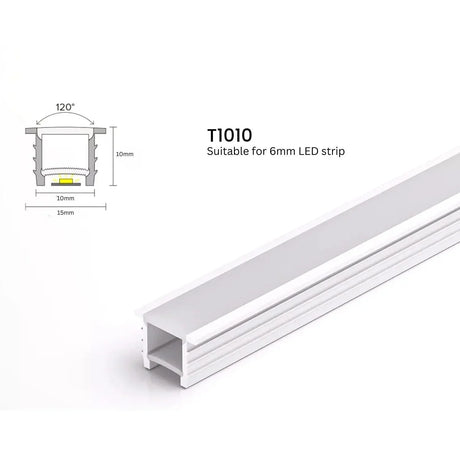
Silicone Neon Flex Cover Diffuser Flexible Bendable for LED Strip 10x10mm
SKU: T1010From £7.17Unit price /Unavailable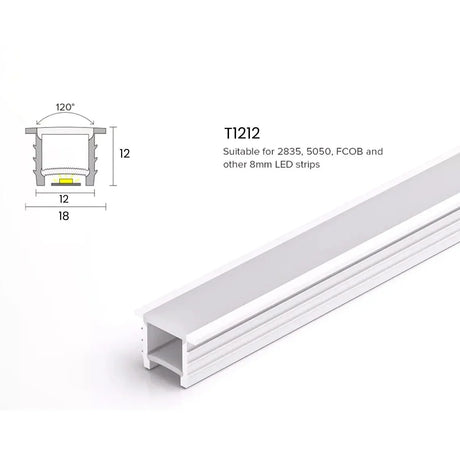
LED Strip Silicone Neon Flex Profile Cover Body Flexible Bendable 12x12mm
SKU: T1212From £7.96Unit price /Unavailable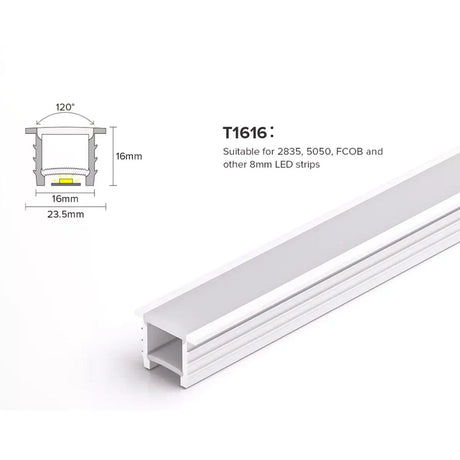
LED Strip Silicone Neon Flex Profile Cover Body Flexible Bendable 16x16mm
SKU: T1616From £7.96Unit price /Unavailable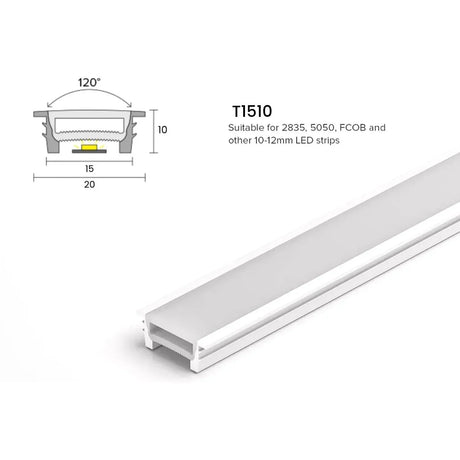
LED Strip Silicone Neon Flex Profile Cover Body Flexible Bendable 15x10mm
SKU: T1510From £7.96Unit price /Unavailable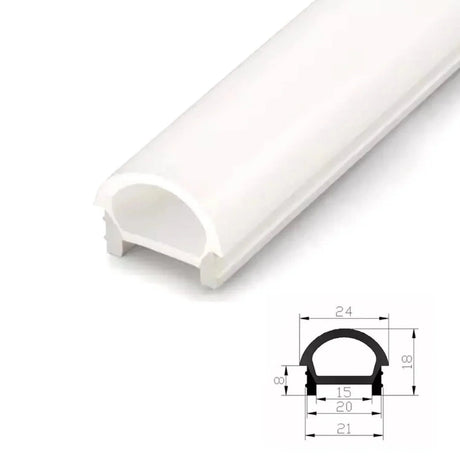
LED Neon Flex & LED Strip Silicone Cover Curve Body Flexible Bendable 15x20mm
SKU: TC1520From £7.96Unit price /Unavailable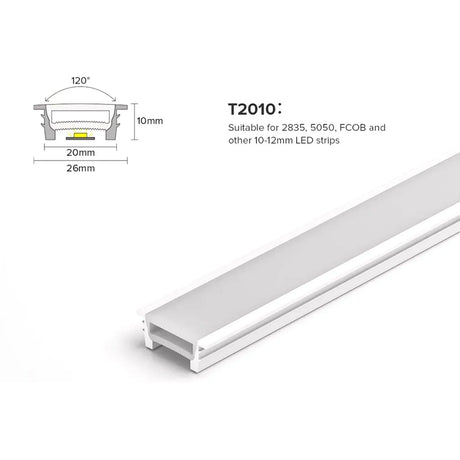
LED Strip Silicone Neon Flex Profile Cover Body Flexible Bendable 20x10mm
SKU: T2010From £7.96Unit price /Unavailable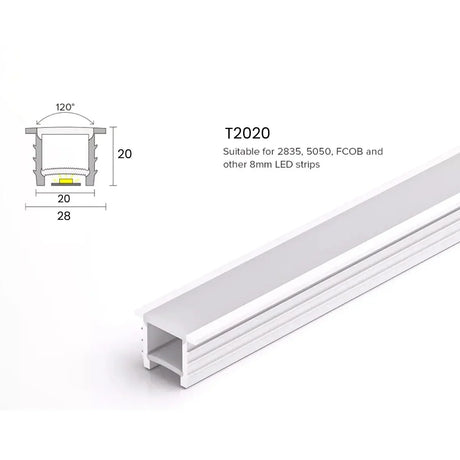
LED Strip Silicone Neon Flex Profile Cover Body Flexible Bendable 20x20mm
SKU: T2020From £7.96Unit price /Unavailable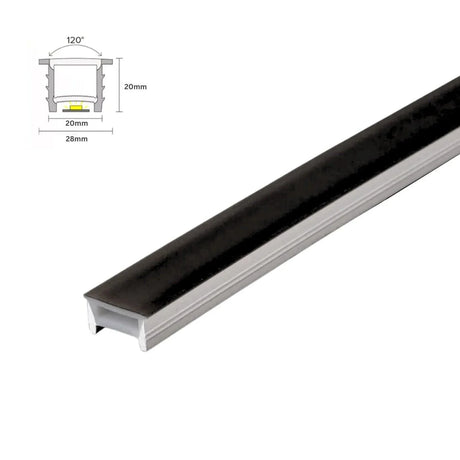
LED Strip Black Silicone Neon Flex Profile Cover Body Flexible Bendable 20x20mm
SKU: T2020-BFrom £7.96Unit price /Unavailable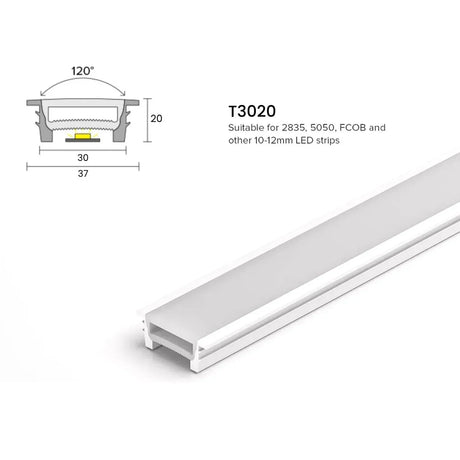
LED Neon Flex & LED Strip Silicone Cover Body Flexible Bendable 30x20mm
SKU: T3020From £8.76Unit price /Unavailable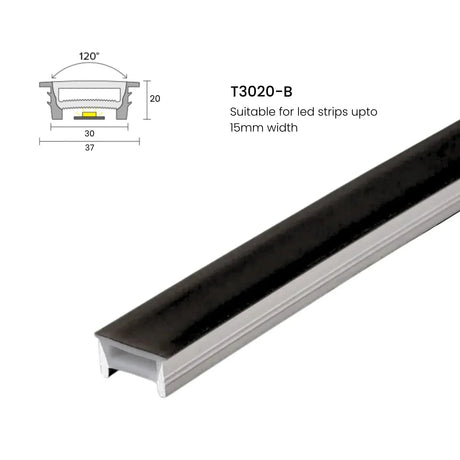
LED Strip Black Silicone Neon Flex Profile Cover Body Flexible Bendable 30x20mm
SKU: T3020-BFrom £8.76Unit price /Unavailable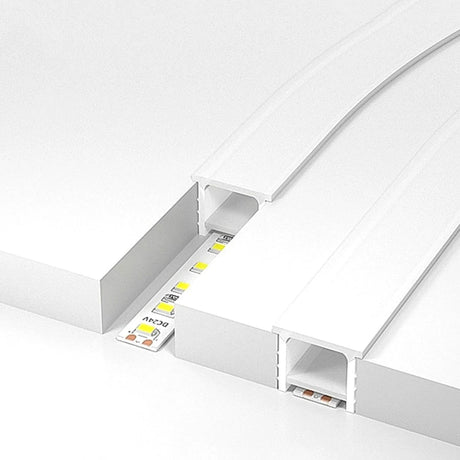
LED Neon Flex & LED Strip Silicone Cover Body Flexible Bendable 30x20mm
SKU: T3020From £7.96Unit price /Unavailable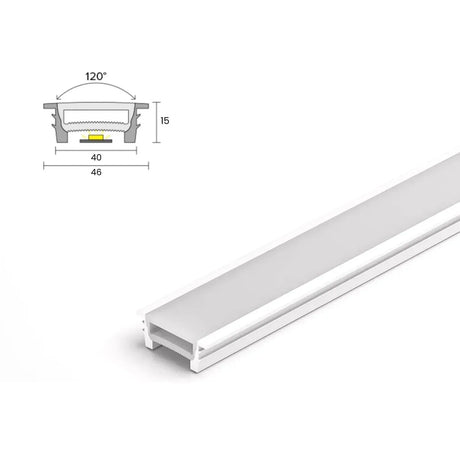
LED Strip Silicone Neon Flex Profile Cover Body Flexible Bendable 40x15mm
SKU: T4015From £9.15Unit price /Unavailable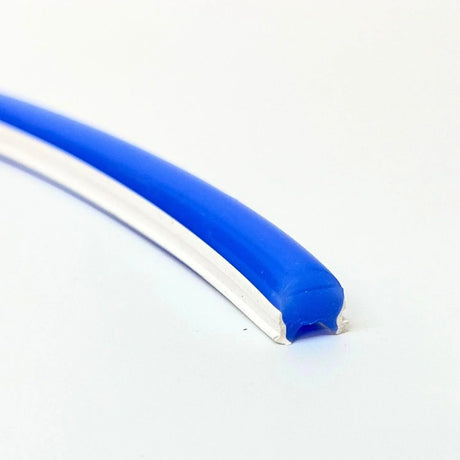
Blue Silicone Neon Flex Tube Diffuser Body for LED Strip Lights Neon Signs 8mm
SKU: SDBLUE8MMFrom £7.56Unit price /Unavailable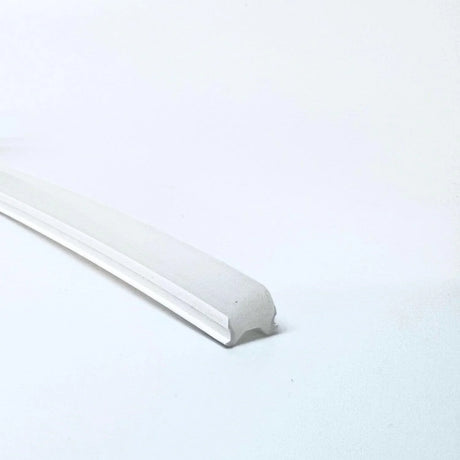
Cool White Silicone Neon Flex Tube Diffuser Body for LED Strip Lights Neon Signs 8mm
SKU: SDCW8MMFrom £7.56Unit price /Unavailable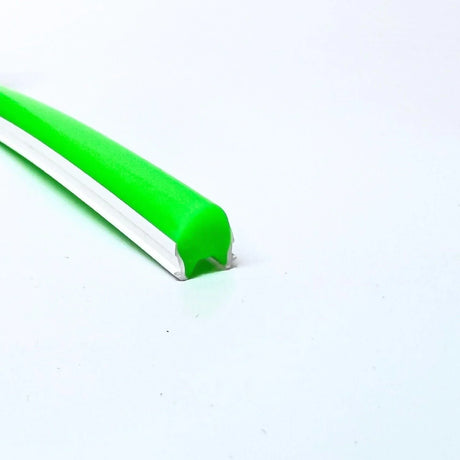
Green Silicone Neon Flex Tube Diffuser Body for LED Strip Lights Neon Signs 8mm
SKU: SDGREEN8MMFrom £7.56Unit price /Unavailable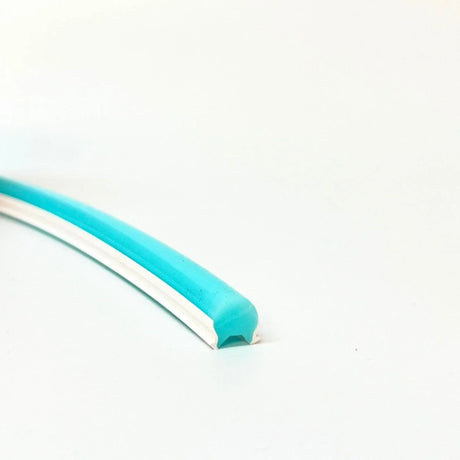
Ice Blue Silicone Neon Flex Tube Diffuser Body for LED Strip Lights Neon Signs 8mm
SKU: SDICEBLUE8MMFrom £7.56Unit price /Unavailable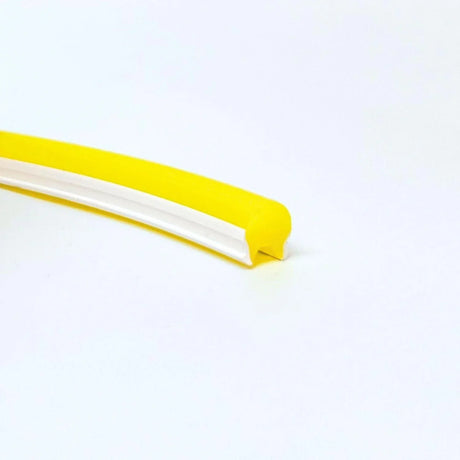
Lemon Yellow Silicone Neon Flex Tube Diffuser Body for LED Strip Lights Neon Signs 8mm
SKU: SDLEMYELLOW8MMFrom £7.56Unit price /Unavailable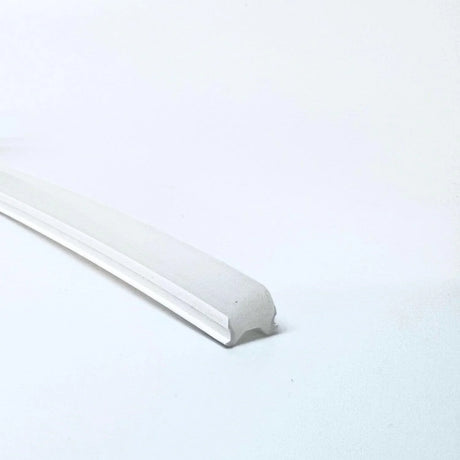
Natural White Silicone Neon Flex Tube Diffuser Body for LED Strip Lights Neon Signs 8mm
SKU: SDNW8MMFrom £7.56Unit price /Unavailable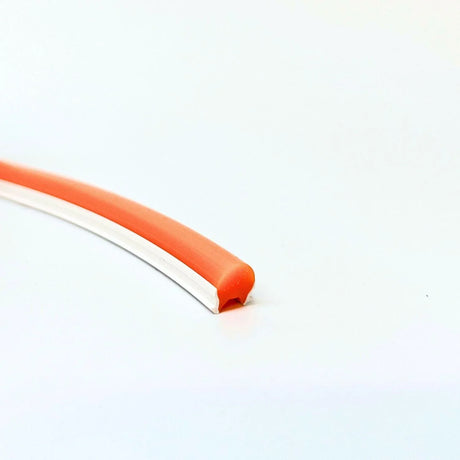
Orange Silicone Neon Flex Tube Diffuser Body for LED Strip Lights Neon Signs 8mm
SKU: SDORANGE8MMFrom £7.56Unit price /Unavailable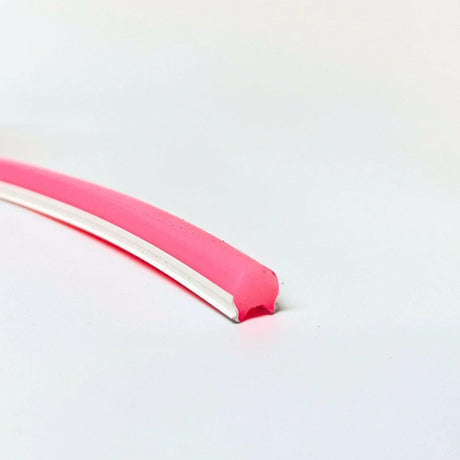
Pink Silicone Neon Flex Tube Diffuser Body for LED Strip Lights Neon Signs 8mm
SKU: SDPINK8MMFrom £7.56Unit price /Unavailable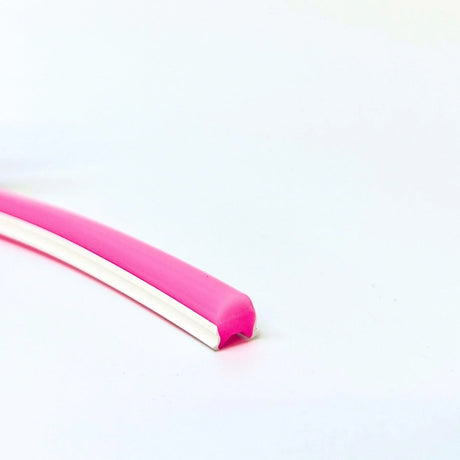
Pink Silicone Neon Flex Tube Diffuser Body for LED Strip Lights Neon Signs 8mm
SKU: SDPINK8MMFrom £7.56Unit price /Unavailable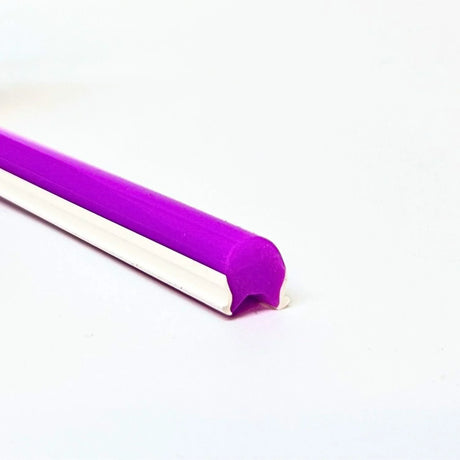
Purple Silicone Neon Flex Tube Diffuser Body for LED Strip Lights Neon Signs 8mm
SKU: SDPURPLE8MMFrom £7.56Unit price /Unavailable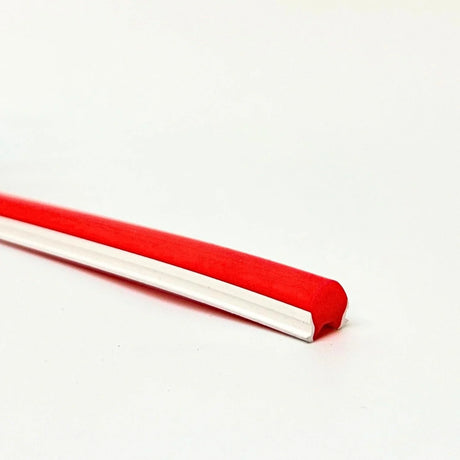
Red Silicone Neon Flex Tube Diffuser Body for LED Strip Lights Neon Signs 8mm
SKU: SDRED8MMFrom £7.56Unit price /Unavailable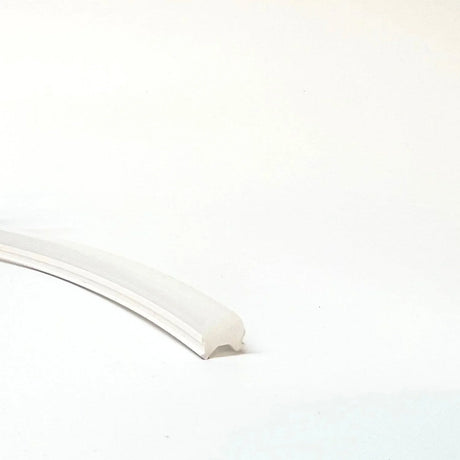
Warm White Silicone Neon Flex Tube Diffuser Body for LED Strip Lights Neon Signs 8mm
SKU: SDWW8MMFrom £7.56Unit price /Unavailable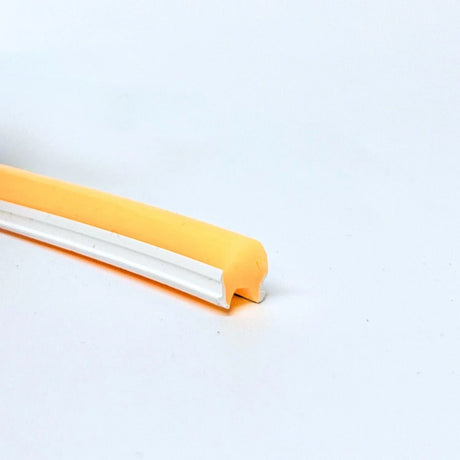
Yellow Silicone Neon Flex Tube Diffuser Body for LED Strip Lights Neon Signs 8mm
SKU: SDYELLOW8MMFrom £7.56Unit price /Unavailable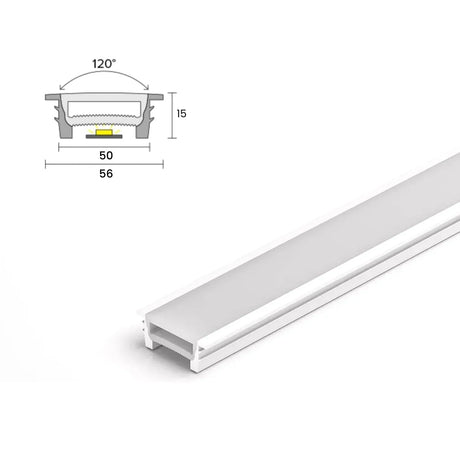
LED Strip Silicone Neon Flex Profile Cover Body Flexible Bendable 50x15mm
SKU: T5015From £9.52Unit price /Unavailable
Why Choose Silicone Covers for Your LED Strips?
Our high-quality silicone LED diffusers offer the perfect combination of protection and performance enhancement for your LED strip installations:
Superior Benefits of Silicone Covers:
- Ultimate Flexibility - Bendable silicone LED covers conform to any surface or angle
- Exceptional Protection - Silicone LED strip protectors shield against moisture, dust, and impact
- Enhanced Light Quality - Transform spotty LED points into smooth, continuous illumination
- Extended LED Lifespan - Protect your investment from environmental damage
- Simplified Installation - Flexible material adapts to complex mounting surfaces
- Professional Finish - Create polished, high-end lighting results every time
Premium Silicone Cover Options for Every Project
Our extensive range of LED strip silicone sleeves caters to all lighting applications:
By Environmental Protection
Waterproof Protection
Our waterproof silicone LED covers and IP67 silicone LED strip covers provide complete protection against moisture ingress, making them ideal for bathrooms, kitchens, and outdoor installations. These covers maintain their protective seal while allowing for excellent light diffusion, ensuring your LED strips remain protected in challenging environments.
UV-Resistant Solutions
For outdoor installations, our UV-resistant silicone LED strip covers prevent yellowing and degradation from sun exposure. Specially formulated to withstand prolonged outdoor use, these covers maintain their clarity and protective properties even after years of exposure to harsh sunlight.
Heat Management
Our heat-resistant silicone LED covers are designed to withstand elevated temperatures associated with high-power LED strips. The silicone material efficiently dissipates heat while maintaining its structural integrity, preventing warping or discoloration even with continuous operation.
By Light Diffusion Properties
Clear Covers
Our transparent silicone LED strip covers provide maximum light transmission while still offering full environmental protection. These covers maintain the original brightness and color characteristics of your LED strips with minimal impact on output.
Frosted Diffusers
Our frosted silicone LED diffusers create smooth, homogeneous light distribution by eliminating visible LED points. The specialized diffusion material transforms harsh LED spots into a continuous line of soft, professional illumination ideal for ambient and accent lighting applications.
Anti-Glare Options
For installations where light comfort is paramount, our anti-glare silicone LED diffusers reduce reflections and eye strain while maintaining excellent light distribution. Perfect for office environments, retail spaces, and areas with reflective surfaces.
By Installation Flexibility
Ultra-Bendable Solutions
Our bendable silicone LED covers offer unparalleled flexibility for installations on curved surfaces or around corners. These highly elastic covers maintain their light diffusion properties even when bent, ensuring consistent illumination around columns, curved walls, or circular features.
Channel-Compatible Options
Our silicone LED channel covers are precisely designed to integrate with aluminum profiles, creating a professional, finished appearance. Available in various widths including 8mm/10mm silicone LED channels to accommodate different strip sizes and installation requirements.
Self-Adhesive Models
For simplified installation, our adhesive-backed silicone LED covers feature high-quality 3M adhesive that ensures a reliable bond to most clean surfaces. These convenient covers eliminate the need for additional mounting hardware while maintaining excellent flexibility and protection.
Silicone Cover Applications
Our versatile silicone LED strip enclosures are ideal for countless lighting scenarios:
Indoor Applications
- Kitchen Lighting - Under-cabinet and countertop illumination
- Bathroom Features - Mirror surrounds and shower niches
- Living Spaces - Silicone LED cove lighting covers for ceiling details
- Display Cabinets - Shelf lighting with discreet protection
- Staircase Illumination - Safe, diffused step lighting
Outdoor & Specialized Uses
- Garden & Landscape - Outdoor silicone LED strip covers for pathways and features
- Deck & Patio - Silicone LED strip covers for decking and outdoor living spaces
- Vehicle Customization - Silicone LED covers for automotive lighting applications
- Commercial Signage - Silicone neon flex covers for vivid, protected displays
- Marine & Pool Areas - Specialized protection against water and chlorine
Dynamic Lighting Systems
- RGB Installations - Silicone covers for RGB LED strips enhance color blending
- Animation Effects - Protect dynamic color-changing installations
- Addressable Systems - Diffusion for pixel-based lighting displays
- Smart Home Integration - Protect and enhance app-controlled lighting
Key Technical Specifications
Our silicone LED strip covers are available in various configurations to match your exact requirements:
Dimensions & Compatibility
- Width Options - From 8mm for slim installations to 20mm+ for COB strips
- LED Compatibility - 5050 LED silicone covers and options for all common LED types
- Voltage Compatibility - 12V/24V silicone LED strip covers for standard systems
- Profile Heights - Low-profile to deep channel designs available
Material Properties
- Operating Temperature - -20°C to +70°C for reliable performance
- UV Stability - 2+ years outdoor exposure without yellowing
- Chemical Resistance - Resistant to cleaning agents and environmental pollutants
- Flexibility Range - Bend radius from 30mm for tight curves
Protection Standards
- Water Resistance - IP65 to IP67 silicone LED strip covers for moisture protection
- Impact Resistance - Silicone provides excellent shock absorption
- Dust Protection - Complete sealing against particulate intrusion
- Flame Retardancy - Available in fire-resistant formulations
Light Transmission Properties
- Clear Covers - 85-95% light transmission
- Semi-Frosted - 70-80% transmission with moderate diffusion
- Opal/Heavily Frosted - 50-65% transmission with maximum diffusion
- Specialized - Color-tinted options for aesthetic effects
Installation Best Practices
Achieve professional results with these installation guidelines for silicone LED strip covers:
Preparation
Clean all mounting surfaces thoroughly using isopropyl alcohol to remove oils and contaminants. Ensure your LED strips are securely mounted and functioning properly before installing the silicone cover. For outdoor installations, verify all connections are properly sealed against moisture.
Measuring & Cutting
Measure the installation length precisely and add a small margin (approximately 5mm) for thermal expansion. Cut silicone covers with a sharp knife or scissors at right angles to ensure a clean edge that will butt seamlessly with adjacent sections if needed.
Installation Techniques
For straight runs, start at one end and gradually work the LED strip into the silicone channel, taking care to avoid trapping air bubbles. For curved installations, work in smaller sections, allowing the flexible silicone LED cover to naturally conform to the surface contours without stretching or distorting.
Securing Methods
Depending on your specific installation requirements:
- Use built-in adhesive backing when available
- Apply silicone adhesive for permanent waterproof installations
- Use mounting clips for applications requiring future access
- Combine with aluminum channels for additional structure and heat dissipation
Finishing Touches
For multiple sections, ensure ends are butted closely together for a seamless appearance. For waterproof installations, apply a small bead of clear silicone sealant at joints and end caps. Allow 24 hours for adhesives to fully cure before exposure to moisture or mechanical stress.
Choosing the Right Silicone Cover
Select the perfect silicone LED diffuser by considering these key factors:
Environmental Requirements
For outdoor or wet locations, choose our waterproof silicone LED covers with appropriate IP ratings. Consider UV-resistant silicone LED strip covers for installations with direct sun exposure, and heat-resistant silicone LED covers for high-power or enclosed applications.
Aesthetic Goals
For maximum brightness, select transparent silicone LED covers. For eliminating LED hotspots, choose frosted silicone LED diffusers. For creating a specific mood or integrating with interior design schemes, consider our specialized diffusion or tinted options.
Installation Complexity
For curved surfaces or 3D installations, our bendable silicone LED covers offer unmatched flexibility. For recessed or channel-mounted applications, our compatible silicone LED channel covers ensure perfect fit and finish. For projects requiring discrete concealment, our silicone LED strip hider options invisibly integrate with surroundings.
Frequently Asked Questions
What is the best silicone cover for high-brightness LED strips?
High-brightness strips perform best with thicker, high-transmission diffused silicone covers that reduce glare while maintaining uniform light output.
What are the advantages of silicone covers compared to plastic diffusers?
Silicone covers are more flexible, UV-resistant, and impact-resistant than plastic, making them better suited for curved, outdoor, and long-term installations.
Will silicone covers affect LED strip brightness?
Silicone covers slightly reduce raw brightness, but they significantly improve visual comfort and evenness by eliminating harsh LED hotspots.
How does silicone cover thickness affect light diffusion?
Thicker silicone provides smoother diffusion and better hotspot suppression, while thinner silicone allows higher light transmission with less softening.
How do I install silicone covers on curved surfaces?
Flexible silicone covers can be gently pressed or adhered along curved surfaces, following the bend gradually to avoid stretching or distortion.
How do I install silicone covers around tight corners?
Tight corners may require shallow relief cuts, corner clips, or segmented installation to prevent kinking while maintaining a clean appearance.
What adhesives or clips secure flexible silicone covers around corners without kinking?
Neutral-cure silicone adhesive or purpose-made mounting clips provide secure fixation while allowing the cover to flex naturally around corners.
Can silicone LED covers be removed and reused?
Yes, silicone covers can often be removed and reused if they were not permanently glued and have not been stretched or damaged during removal.
Can I cut silicone LED covers to custom lengths?
Silicone covers can be cut cleanly with a sharp blade or scissors to achieve precise custom lengths.
What inner diameter silicone covers fit 8–2 mm COB or digital RGB strips without gaps?
Covers with an internal width closely matching the strip PCB (plus minimal clearance) ensure a snug fit without visible gaps or light leakage.
Can silicone covers be used with 24V running water or 220V high-voltage LED strips?
Yes, but covers must be rated for the appropriate voltage and insulation thickness, especially for high-voltage LED strips.
Do you offer black silicone covers for LED strips?
Black silicone covers are available for applications requiring reduced glare, light masking, or a discreet unlit appearance.
Are silicone LED covers truly waterproof?
Silicone itself is water-resistant, but full waterproofing depends on sealing end caps, joints, and cable exits correctly.
How do I seal end caps on silicone covers for full IP67 waterproofing on decking installations?
Use matching silicone end caps with neutral-cure silicone sealant, ensuring all gaps are fully sealed before outdoor exposure.
How long do UV-resistant silicone LED covers last outdoors?
Quality UV-stabilized silicone covers can last many years outdoors without cracking or yellowing, even in challenging climates.
How long do silicone LED covers last in humid climates like Lahore or the UK?
In humid environments, silicone covers typically outperform plastics, maintaining flexibility and clarity for extended periods when properly installed.
Why do silicone covers help prevent overheating in high-density 48V COB strip applications?
Silicone spreads heat evenly and works with aluminum profiles to reduce localized thermal buildup on high-power LED strips.
What heat dissipation considerations are needed when using silicone covers with aluminum profiles?
Ensure the LED strip is firmly bonded to the aluminum profile so heat transfers efficiently, as silicone covers should not trap heat away from the channel.
How do I clean and maintain silicone LED covers?
Clean covers periodically with a soft cloth and mild soap solution, avoiding abrasive cleaners that could cloud or damage the surface.
Silicone covers versus aluminum diffusers: which diffuses light better for retail perimeters?
Silicone covers provide smoother diffusion and flexibility for continuous light lines, while aluminum diffusers offer superior heat sinking for very high-output retail lighting.