
Professional LED lighting
LED Strip Silicone Covers to make Neon Signs
15 products
Build custom LED neon signs that look professional — without the £300-per-word price tag of outsourced fabrication. UK LED Lights supplies the full neon sign making range for 2026: mini neon flex for tight lettering, ...
Read more Show less
Build custom LED neon signs that look professional — without the £300-per-word price tag of outsourced fabrication. UK LED Lights supplies the full neon sign making range for 2026: mini neon flex for tight lettering, full-size profiles for large-format signage, single colour and RGB options, plus every connector, end cap, mounting clip, and acrylic-routing accessory you need to complete the job from blank sheet to powered sign. Whether you are a sign maker quoting retail clients, a bar owner creating a feature wall, or a DIY maker building wedding and event signage — this collection covers the materials, and this page covers the method.
Our LED neon sign supplies include 6x12mm mini neon flex with a bend radius tight enough for 60mm letter heights, silicone construction rated to IP67 for indoor and sheltered outdoor signs, and 12V and 24V options compatible with compact sign-mounted drivers. Need advice on letter sizing, flex selection, or driver calculations for a specific sign? Call 01952 370008 or email sales@ukledlights.co.uk.
Mini Neon Flex · Full-Size Neon Flex · 12V · 24V · Single Colour · RGB · Silicone Construction · End Caps · Connectors · Mounting Clips · Acrylic Backboard Compatible · IP67 · Free UK Delivery
Quick decision guide:
- Small lettering signs (bar names, quotes, home decor): 6x12mm mini neon flex in 12V — the tight bend radius handles letters as small as 60–80mm tall, which covers most script and block fonts at readable sizes.
- Large-format signage (shopfronts, event backdrops): Full-size neon flex profiles in 24V — letter heights of 150mm and above suit a larger bend radius, and 24V reduces voltage drop across longer total runs.
- Colour-changing signs (bars, restaurants, gaming rooms): RGB neon flex paired with a dedicated RGB controller — not a standard dimmer. Use a non-dimmable constant-voltage driver to prevent flicker and colour shift.
- Wedding and event signs (temporary, reusable): 12V mini neon flex on clear acrylic — lightweight, portable, and runs safely from a compact plug-in driver.
- Outdoor-rated signs (pub facades, garden bars): IP67 silicone neon flex minimum — IP65 covers surface splashes only, which is insufficient for permanent UK outdoor exposure under BS7671 guidance.
Who this collection is for: Sign makers and fabrication workshops quoting neon-style signage. Bar, restaurant, and retail owners creating branded feature walls. Wedding and event planners building reusable signage. DIY makers producing custom LED neon signs at home for personal projects, gifts, or small-batch Etsy and marketplace sales. Electricians and interior designers specifying neon signage for client fit-outs in 2026.
Who this collection is NOT for: If you need a finished, ready-to-hang neon sign with no fabrication work, this is not the right page — you need a made-to-order sign service. If you need continuous architectural lighting runs of 10 metres or longer without sign lettering, our LED neon flex lighting collection covers that application with better-suited product formats.
Common buying mistakes to avoid:
- Choosing PVC neon flex over silicone for sign work: PVC yellows under UV exposure within 12–18 months, becomes brittle in cold weather, and cracks at tight bend points. Silicone neon flex holds its colour, stays flexible down to -20°C, and withstands the repeated bending involved in routing letters through an acrylic backboard.
- Selecting neon flex that is too large for your letter height: A 20x20mm profile cannot physically form a 60mm letter — the bend radius is too wide. Match your minimum letter height to the neon flex profile size before ordering. 6x12mm mini flex handles letters from approximately 60mm; larger profiles need 150mm or taller lettering.
- Using a dimmable driver with RGB neon flex: RGB neon flex requires a non-dimmable constant-voltage driver paired with a dedicated RGB controller. Dimmable drivers cause visible flicker, colour shifting between channels, and premature LED failure.
- Skipping end caps on cut lengths: Every cut end of neon flex exposes the LED circuit to moisture and dust. Seal every termination with a silicone end cap — without exception, even on indoor signs.
What is LED neon sign making and why has it replaced glass neon?
LED neon sign making is the process of bending flexible silicone LED neon flex into letters, shapes, and logos, then mounting the formed pieces onto a backboard to create illuminated signage. It has largely replaced traditional glass neon in 2026 because LED neon flex runs on safe low-voltage DC (12V or 24V), uses approximately 80 percent less energy, weighs a fraction of glass, and significantly reduces the risk of broken tubes and mercury exposure.
Traditional glass neon requires a trained glass-bender, high-voltage transformers running at 3,000–15,000V, and specialist gas-filling equipment. A single letter can take hours to fabricate, and breakage during transport is a constant risk. LED neon flex changed the economics of the entire sign industry — a competent maker can produce a complete word sign in an afternoon using basic tools, and the finished product ships safely in a standard box.
The UK sign-making market has shifted decisively toward LED neon flex since 2023, and the trend has accelerated through 2025 and into 2026. Three factors are driving this:
- DIY accessibility: LED neon flex needs no specialist training to form into letters. A steady hand, a printed template, and a few basic tools are sufficient. This has opened sign making to small businesses, home crafters, wedding planners, and marketplace sellers who could never have worked with glass.
- Safety and compliance: 12V and 24V DC fall well within safe extra-low voltage thresholds. No high-voltage transformer, no risk of electrocution from a cracked tube, no mercury disposal requirements. Indoor neon signs can be plugged into a standard socket via a compact driver — no electrician required for most residential installations.
- Durability: Silicone neon flex withstands impacts that would shatter glass instantly. Signs can be transported, wall-mounted, repositioned for events, and stored without the breakage anxiety that defined glass neon for decades.
From a visual standpoint, quality LED neon flex now closely matches the smooth glow that made glass neon desirable in the first place. The key is choosing silicone over PVC — silicone produces a more even diffusion with fewer hotspots and no visible LED dot pattern through the surface. UK LED Lights supplies silicone neon flex as standard across our sign-making range for exactly this reason.
Which neon flex profile size do you need for sign lettering?
The neon flex profile size you choose determines the minimum letter height your sign can achieve. A 6x12mm mini neon flex handles letters as small as 60–80mm tall — suitable for most script fonts and compact block lettering. Larger profiles of 15x15mm or above require minimum letter heights of 150mm or more, making them better suited to shopfront signage and large-format event backdrops rather than fine lettering.
This is the single most common sizing mistake in LED neon sign making, and it accounts for more wasted material than any other error. The physics are simple: every neon flex profile has a minimum bend radius — the tightest curve it can follow without kinking, cracking, or pulling away from the backboard. Smaller profiles bend tighter. Larger profiles produce a bigger glow but cannot form small letters.
| Neon Flex Profile Size | Minimum Bend Radius | Minimum Letter Height | Best Sign Application |
|---|---|---|---|
| 6x12mm mini | 15–20mm | 60–80mm | Script fonts, quotes, bar names, home decor signs |
| 8x16mm | 25–30mm | 100–120mm | Medium lettering, restaurant menus, retail feature walls |
| 12x20mm | 40–50mm | 150–180mm | Shopfront signage, large event backdrops |
| 15x25mm or larger | 60mm+ | 200mm+ | Building-mounted signage, oversized installations |
Practical guidance for font selection in 2026 sign projects:
- Script and cursive fonts: Always use 6x12mm mini neon flex. Script fonts contain tight loops, narrow connections between letters, and sharp directional changes that larger profiles physically cannot follow. If any loop or connector in your design drops below 80mm in height, mini flex is the only viable option.
- Block and sans-serif fonts: Wider straights and gentler curves allow the use of 8x16mm or larger profiles. The thicker glow of a larger profile often suits bold, uppercase block lettering — it fills the visual weight of the font more naturally.
- Mixed designs (text plus icons or shapes): Use mini flex for the text and a larger profile for surrounding graphic elements. This is a standard technique in professional sign fabrication — it keeps lettering sharp while giving icons and borders a bolder visual presence.
Before ordering any neon flex for a sign project, print your design at full scale and physically test the bend radius against the printed template. This takes five minutes and saves both material and frustration. If you are unsure which profile suits your specific design, call 01952 370008 — our technical team can advise based on your font choice and letter dimensions.
What materials and supplies do you need to make an LED neon sign?
A complete LED neon sign requires six core components: neon flex in your chosen profile and colour, a matched-voltage LED driver, an acrylic or wooden backboard, mounting clips or adhesive-backed channel, connectors for joining sections, and silicone end caps for sealing every cut termination. Most signs also need a printed full-scale template, cable routing hardware, and basic hand tools.
The full materials list for a typical single-colour sign project in 2026:
- LED neon flex: Mini (6x12mm) for small lettering, standard profile for larger formats. Order 15–20 percent more length than your template measurement to allow for routing curves, connection tails, and cutting tolerance.
- LED driver (power supply): Constant-voltage, matched to your neon flex voltage (12V or 24V). Size the driver at 120 percent of the total calculated wattage — this provides headroom and extends driver life. A 60W sign needs a minimum 72W driver.
- Backboard: 5mm or 8mm clear, frosted, or coloured acrylic is the industry standard. MDF or plywood works for opaque-back designs. The backboard must be thick enough to accept routed channels or drilled clip holes without cracking.
- Mounting clips: Spaced every 30–50mm along the neon flex path to hold each section firmly to the backboard. Transparent clips are near-invisible on clear acrylic.
- Connectors: Solder-free or soldered connectors to join neon flex sections where letters require separate runs. Each letter may be a separate length of neon flex connected in parallel back to the driver.
- End caps: Silicone end caps seal every cut termination to prevent moisture ingress and dust contamination. One per cut end — even on indoor signs.
- Wiring: 2-core cable (or 4-core for RGB) to connect each neon flex section back to the driver. Route wiring behind the backboard for a clean front-face appearance.
- Template: Full-scale printout of your design, taped or adhered to the backboard face as a routing and bending guide.
For RGB colour-changing signs, add a dedicated RGB controller between the driver and the neon flex. Do not connect RGB neon flex directly to a dimmable driver — use a non-dimmable constant-voltage driver and control colour and brightness through the RGB controller only. UK LED Lights stocks compatible controllers, LED drivers, connectors, and all mounting accessories alongside the neon flex itself. Call 01952 370008 for a complete parts list tailored to your sign dimensions.
How do you make a custom LED neon sign — step by step?
Making a custom LED neon sign follows a consistent five-stage process: design and template printing, backboard preparation and channel routing, neon flex bending and cutting to shape, mounting and wiring behind the backboard, and final connection to the driver with testing. A single-word sign typically takes 2–4 hours for a first-time maker, and under an hour for experienced fabricators.
- Step 1 — Design your layout and print at full scale. Create your text or graphic design digitally, then print at 100 percent scale on paper. Tape the printed template to your backboard surface. Mark every point where the neon flex changes direction, where separate letter sections begin and end, and where wiring will exit to the rear of the board. Verify your minimum letter height matches your chosen neon flex profile before cutting anything.
- Step 2 — Prepare the backboard. Cut your acrylic or wood backboard to the final sign dimensions, allowing at least 30mm border around the outermost letters. Drill cable pass-through holes at each point where neon flex wiring needs to route from front to back. If using routed channels, use a CNC router or hand router to cut shallow channels following your template lines — channel depth should match approximately half the neon flex height to hold it securely while leaving the illuminated face fully exposed.
- Step 3 — Bend, cut, and form the neon flex. Working letter by letter, gently bend the neon flex to follow each template curve. Cut at designated cut points only — cutting between marks will damage the circuit. For tight curves in script fonts, warm the silicone slightly with a heat gun on low setting to increase flexibility. Form each letter as a separate neon flex section where the design requires sharp transitions or direction changes that exceed the minimum bend radius.
- Step 4 — Mount the neon flex and wire behind the backboard. Secure each formed section to the backboard using mounting clips at 30–50mm intervals. Feed the connection tails through the drilled holes to the rear. On the back of the board, wire each neon flex section in parallel back to a central connection point. Parallel wiring is essential — series connections multiply voltage drop and will cause uneven brightness across letters. Seal every cut end with a silicone end cap before proceeding.
- Step 5 — Connect to the driver, test, and finish. Connect all parallel wiring runs to the LED driver output terminals. Power on and check every letter for even illumination, colour consistency (if RGB), and any dim sections that may indicate a poor solder joint or connector issue. Secure all rear wiring with cable clips or adhesive cable management. Attach wall-mounting hardware — standoff fixings create a halo glow effect behind clear acrylic backboards, which is one of the most requested finishes for 2026 interior sign projects.
The entire process scales directly with sign complexity. A single word in block capitals takes less time than a multi-line script quote with decorative flourishes. Budget your time accordingly, and always do a dry-fit of the neon flex against the template before applying any adhesive or permanent clips.
Should you choose 12V or 24V neon flex for signs?
Choose 12V neon flex for small to medium signs where total neon flex length is under 5 metres and the driver can be mounted within 2 metres of the sign. Choose 24V for larger signs, longer total runs, or installations where the driver must be positioned further from the sign — 24V loses voltage at half the rate of 12V over the same cable distance, keeping brightness consistent across all letters.
For the majority of home decor, wedding, bar, and small retail signs made in 2026, 12V mini neon flex is the practical choice. These signs typically use 1–3 metres of total neon flex, run from a compact plug-in driver, and sit within arm's reach of a socket. The 12V ecosystem offers one of the widest ranges of compact drivers, many of which are small enough to mount directly behind the sign backboard — keeping the entire installation self-contained.
24V becomes the better choice in these situations:
- Total neon flex exceeds 5 metres: Multi-word signs, long quotes, and signs combining text with graphic elements often exceed 5 metres of total neon flex length. At 12V, voltage drop across that distance can cause the last letters to appear noticeably dimmer than the first.
- Driver positioned remotely: In commercial installations, the driver often sits in a service void, ceiling space, or electrical cupboard — sometimes 5–10 metres of cable away from the sign itself. 24V tolerates this cable run with less brightness loss.
- Multiple signs from one driver: A restaurant or retail space with several neon signs can run all of them from a single high-wattage 24V driver, simplifying the electrical installation and reducing the number of plug sockets or fused spurs required.
| Factor | 12V Neon Flex | 24V Neon Flex |
|---|---|---|
| Typical sign size | Small to medium (under 5m total flex) | Medium to large (5m+ total flex) |
| Maximum practical run | 5 metres from single feed | 10 metres from single feed |
| Driver size | Compact — often plug-in format | Larger — typically hardwired or DIN-rail |
| Voltage drop tolerance | Lower — noticeable over 5m+ | Higher — half the drop rate of 12V |
| Component availability | Widest range of compact drivers and connectors | Good range, fewer ultra-compact options |
| Best for | Home decor, wedding signs, single-word bar signs | Shopfront signage, multi-word quotes, commercial installs |
One critical rule for both voltages: always match the driver voltage exactly to the neon flex voltage. A 12V flex strip connected to a 24V driver will overheat and fail. A 24V strip on a 12V driver will not illuminate. Check the product specification before purchasing and if you are uncertain, contact our team at sales@ukledlights.co.uk with your sign dimensions — we will confirm the correct voltage and driver specification.
What is the difference between silicone and PVC neon flex for signage?
Silicone neon flex is the preferred material for sign making in 2026 because it maintains flexibility in cold temperatures down to -20°C, resists UV yellowing, produces a smoother and more even light diffusion, and tolerates the repeated tight bending required when forming letters. PVC neon flex costs less per metre but becomes brittle in cold weather, yellows noticeably within 12–18 months of UV exposure, and is more prone to cracking at sharp bends — making it a poor choice for any sign expected to last beyond a single season.
The difference between the two materials is most apparent in three areas that directly affect sign quality:
- Bend performance: Silicone flexes smoothly through tight letter curves without kinking. PVC resists tight bends and is more likely to crease or crack at the outer edge of a curve — particularly in ambient temperatures below 10°C, which covers a significant portion of the UK working year. If you are forming letters in an unheated workshop during autumn or winter, PVC becomes noticeably harder to work with.
- Light quality: Silicone produces a more uniform diffusion across the flex surface, with fewer visible hotspots where individual LEDs show through. PVC diffuses less evenly, and this unevenness becomes more pronounced as the material ages and its optical properties degrade.
- Longevity: A silicone neon sign installed in a south-facing shop window in 2024 still looks the same colour and clarity in 2026. A PVC sign in the same position typically shows visible yellowing after one summer of direct sunlight exposure. For any sign that represents a business brand, this colour shift is unacceptable.
UK LED Lights supplies UV-stable silicone neon flex as our standard sign-making material. We do not stock PVC neon flex for sign applications — the cost saving per metre does not justify the reduction in finished sign quality and lifespan, particularly given that the neon flex cost is typically only 30–40 percent of the total sign materials budget.
How do you calculate the right driver size for a neon sign?
Multiply the total length of neon flex in your sign (in metres) by the wattage-per-metre rating of your chosen product, then add 20 percent headroom. A sign using 3 metres of 12V neon flex rated at 10W per metre draws 30W — requiring a minimum 36W driver. This 120 percent rule helps prevent the driver from running at full capacity continuously, which extends driver life and reduces heat output inside enclosed sign housings.
Work through the calculation for every sign project before ordering components:
- Measure total neon flex length: Add up every section of neon flex in the sign, including curved paths measured along the flex centreline. A single word like "OPEN" in 120mm letters typically uses 1.5–2.5 metres of flex depending on font choice. A longer quote or multi-word sign can easily reach 4–8 metres.
- Check the wattage-per-metre rating: This is listed on every UK LED Lights neon flex product page. Common ratings for sign-making flex range from 8W to 14W per metre depending on profile size and LED density.
- Calculate base wattage: Total metres multiplied by W/m. For example: 4.2 metres at 12W/m = 50.4W base load.
- Apply the 120 percent rule: 50.4W multiplied by 1.2 = 60.5W minimum driver size. Select the next available driver size above this figure — in this case, a 75W driver.
For RGB signs, the calculation is the same, but the driver must be a non-dimmable constant-voltage type, with brightness and colour controlled entirely through the RGB controller. Never use a dimmable driver with RGB neon flex — this causes flicker, colour inconsistency, and premature LED failure. If your sign project involves multiple sections or colours and you need help sizing the driver correctly, call 01952 370008 and our technical team will calculate the specification for you based on your exact design.
Can you make RGB colour-changing neon signs?
Yes — RGB neon flex produces colour-changing signs that cycle through the full spectrum, hold a single colour, or transition between programmed scenes using a dedicated RGB controller. RGB neon signs are widely used for bar and restaurant feature walls, gaming room setups, event installations, and retail window displays across the UK in 2026. The critical requirement is using a non-dimmable constant-voltage driver paired with a separate RGB controller — never a dimmable driver on its own.
RGB neon sign wiring follows a different architecture from single-colour signs. The signal path runs: driver (constant voltage, non-dimmable) to RGB controller to neon flex. The controller sits between the power supply and the neon flex, managing colour mixing across the red, green, and blue channels independently. Most controllers in 2026 offer WiFi or Bluetooth connectivity for smartphone control, plus preset scene modes and music-sync options — features that bar and restaurant owners specifically request.
One limitation to understand before choosing RGB for a sign project:
- RGB cannot produce a clean white. When all three channels run at full output, the result is a cold, violet-tinged white — not the warm or neutral white that most signage applications require. If your sign needs to display white alongside colour modes, choose RGBW neon flex, which includes a dedicated white channel that produces clean 3000K–6500K white independently of the RGB channels. See our RGB and RGBW LED range for compatible options.
- RGB signs use 4-core wiring: One common wire plus one per colour channel (red, green, blue). This means slightly more complex behind-the-backboard wiring than a single-colour sign. RGBW adds a fifth core. Plan your cable routing and drill hole positions accordingly.
- Controller placement matters: Mount the controller behind the backboard where the IR or RF receiver can still detect the remote signal, or use a WiFi controller that does not require line-of-sight. A controller buried inside a sealed enclosure with no wireless access renders the colour-change function useless.
UK LED Lights stocks RGB and RGBW neon flex alongside compatible controllers and non-dimmable drivers. Browse our LED controllers range for WiFi, Bluetooth, RF, and IR options, or call 01952 370008 for advice on the right controller for your sign project.
Where are LED neon signs used — application guide for 2026?
LED neon signs are used across residential, commercial, hospitality, and event settings in 2026, with demand growing fastest in the DIY home decor, bar and restaurant branding, and wedding signage sectors. The combination of low voltage safety, lightweight construction, and professional-grade visual output makes LED neon signage viable in locations where traditional glass neon was either too expensive, too fragile, or too hazardous to install.
- Bars and restaurants: Feature wall signage with brand names, cocktail menu highlights, and atmosphere-setting quotes. RGB neon signs with WiFi controllers allow colour changes to match different service periods — warm tones for daytime dining, vibrant colours for evening bar service. One of the highest-volume commercial applications in the UK sign market for 2025 and 2026.
- Retail and shopfront: Window-facing OPEN signs, brand logos, and promotional messaging. 24V neon flex handles the longer runs typical of shopfront widths, and IP67-rated silicone construction withstands the temperature cycling of south-facing glass.
- Home decor: Bedroom wall quotes, gaming room setups, kitchen feature words, nursery name signs. The DIY neon sign market has grown significantly through 2024, 2025, and into 2026, driven by social media visibility and the accessibility of mini neon flex that requires no specialist tools to work with.
- Weddings and events: Couple name signs, hashtag displays, directional signage, and dance floor backdrops. Signs built on clear acrylic with 12V mini neon flex are lightweight enough to transport in a car, reusable across multiple events, and produce the warm glow that photographs well under low ambient lighting.
- Offices and co-working spaces: Company values, motivational quotes, and brand identity signage in reception areas and breakout zones. Clean, professional appearance with none of the buzzing, flickering, or heat output associated with legacy fluorescent signage.
- Salons, gyms, and studios: Brand signage that doubles as a photo backdrop for client social media posts — a practical marketing investment for businesses that rely on visual platforms like Instagram and TikTok in 2026.
For outdoor applications — pub facades, garden bar signs, external building-mounted branding — use IP67-rated silicone neon flex as a minimum. IP65 is not sufficient for permanent UK outdoor exposure. The silicone construction withstands rain, frost, and UV without degradation, and the low-voltage DC supply eliminates the safety concerns associated with mains-voltage outdoor signage. Check our outdoor LED lighting collection for additional waterproof accessories and connectors rated for external use.
Why buy neon sign making supplies from UK LED Lights?
UK LED Lights supplies the complete neon sign making material chain from a single UK source — neon flex, drivers, controllers, connectors, end caps, and mounting hardware — all stocked in our Telford warehouse for next-day UK delivery. Our technical team has direct experience specifying neon flex for sign projects and can advise on profile selection, driver sizing, and wiring layout for any design, from a single-word home decor piece to a multi-sign commercial fit-out.
- Complete sign-making supply from one source: No need to order neon flex from one supplier, connectors from another, and drivers from a third. Every component in this collection is tested for compatibility. One order, one delivery, one point of contact if you need technical support.
- Silicone neon flex as standard: We supply UV-stable, professional-grade silicone neon flex — not PVC. Every metre in this collection maintains colour stability, bend flexibility, and light uniformity across years of use, not months.
- Technical support from people who know signage: Call 01952 370008 or email sales@ukledlights.co.uk with your sign design and we will confirm the correct neon flex profile, driver size, and component list. We have helped sign makers, bar owners, wedding planners, and DIY builders with projects ranging from 300mm single-word signs to 3-metre multi-colour commercial installations.
- Free UK delivery: Every order ships free to any UK mainland address. Sign-making components are lightweight and pack efficiently — most orders arrive within 1–3 working days from our Telford, Shropshire warehouse.
- UK stock, not drop-shipped: Everything in this collection is held in our own warehouse. No 3–6 week waits for overseas shipments. If it is listed in stock, it ships the same or next working day.
- Our neon sign supplies are used by professional sign makers and hobbyists building custom commissions — from wedding signs to retail window displays.
- We supply the mini neon flex, connectors, and end caps that make clean sign fabrication possible without industrial equipment.
Ready to start your sign project? Browse the neon sign making collection above, or call 01952 370008 (Monday to Friday, 9am–5pm) to discuss your design with our technical team. Email sales@ukledlights.co.uk with photos or drawings of your planned sign and we will provide a complete component recommendation and quote.
Recommended setup for a single-word bar neon sign (e.g. COCKTAILS)
- Neon flex: 12V mini 6x12mm single colour warm white 3000K — tight 20mm bend radius for script lettering
- Driver: 12V 60W constant voltage compact plug-in (approx 30W load + 20% headroom)
- Backboard: 8mm clear acrylic with 25-40mm standoff wall mounts for halo glow effect
- Accessories: Transparent mounting clips at 30-50mm intervals, silicone end caps, front cap with wire exit
- Total cost guide: Approximately £20-35 for neon flex + £15-25 for driver + £15-25 for acrylic + £10-15 for clips and caps
Adjust these components based on your sign size, letter complexity, and mounting method. Call 01952 370008 or email sales@ukledlights.co.uk for a free specification tailored to your sign project.
Frequently asked questions — LED neon sign making
-
What is the smallest letter height you can achieve with LED neon flex?
- 6x12mm mini neon flex forms letters as small as 60–80mm tall. This covers most script fonts and compact block lettering. Larger neon flex profiles require proportionally taller letters — a 12x20mm profile needs 150mm minimum height.
-
Do you need an electrician to install an LED neon sign?
- Most indoor 12V and 24V neon signs plug into a standard socket via a compact driver and do not require an electrician. Hardwired installations and outdoor signs connected to a fused spur should be installed by a qualified electrician under BS7671 Part P regulations.
-
How long does an LED neon sign last?
- Quality silicone LED neon flex has a typical rated lifespan of 30,000–50,000 hours. At 8 hours of daily use, that equates to 10–17 years before output drops below 70 percent of original brightness. Silicone construction resists UV yellowing, maintaining colour accuracy across the full lifespan.
-
Can you use LED neon signs outdoors in the UK?
- Yes — use IP67-rated silicone neon flex as a minimum for any permanent outdoor installation. IP65 is rated for surface splashes only and does not withstand sustained UK rainfall, frost-thaw cycling, or ground-level moisture. Seal all connections and terminations with IP-rated end caps and connectors.
-
What driver do you need for a neon sign?
- Use a constant-voltage driver matched to your neon flex voltage (12V or 24V). Size it at 120 percent of total calculated wattage. For RGB signs, use a non-dimmable driver paired with a dedicated RGB controller — never a dimmable driver, which causes flicker and colour shift.
-
Can you dim an LED neon sign?
- Single-colour neon signs can be dimmed using a trailing-edge dimmer or a PWM dimmer connected between the driver and the neon flex. Trailing-edge dimmers cost approximately £15 and are compatible with most LED drivers. Leading-edge dimmers frequently cause visible flicker with LED loads.
-
Is LED neon flex safe to touch when powered on?
- Yes. LED neon flex running at 12V or 24V DC operates at safe extra-low voltage and produces minimal surface heat compared to glass neon. Silicone neon flex is safe to touch during normal operation. Do not, however, cover or enclose powered neon flex without adequate ventilation — heat accumulation in sealed enclosures shortens LED life.
-
How do you join two pieces of neon flex together in a sign?
- Use compatible solder-free connectors or solder the wire tails directly. Each neon flex section should connect in parallel back to the driver — never in series, which multiplies voltage drop and causes uneven brightness across letters. Seal every connection point to prevent moisture ingress.
-
What backboard material is best for neon signs?
- 5mm or 8mm acrylic is the industry standard for 2026 sign projects. Clear acrylic with standoff wall mounts creates a popular halo glow effect. Frosted acrylic hides rear wiring. MDF and plywood suit opaque-backed designs and are easier to route with hand tools.
-
Can you make neon signs from any font?
- Most fonts work, provided the letter dimensions suit your neon flex bend radius. Script and cursive fonts with tight loops require 6x12mm mini neon flex. Very thin or highly ornamental fonts with sub-50mm details may not be achievable with any current neon flex profile. Print your design at full scale and test bends before ordering materials.
-
How much does it cost to run an LED neon sign per month?
- Running costs are minimal. A typical single-word sign using 2 metres of 12V neon flex at 10W/m draws 20W. At 2026 UK electricity rates of approximately 24.5p per kWh, running that sign for 8 hours per day costs roughly £1.20 per month. LED neon uses approximately 80 percent less electricity than equivalent glass neon.
-
Can you make outdoor-rated LED neon signs for pub facades?
- Yes — specify IP67 silicone neon flex as a minimum for any permanent outdoor sign. The silicone construction withstands rain, frost, and UV without degradation. Mount with stainless steel clips and seal every cut end and connection with waterproof end caps. For large pub or building-mounted signs, use 24V to minimise voltage drop across the full lettering length.
-
What is the best adhesive for mounting neon flex to acrylic backboards?
- Clear silicone adhesive or specialist neon flex channel clips are the standard mounting methods in 2026. Do not use hot glue — it weakens at temperatures above 40°C and may release the neon flex from the backboard. Mounting clips at 30–50mm intervals provide the most secure hold and allow repositioning during assembly.
-
Can I make a neon sign with multiple colours using one controller?
- Yes — use RGB neon flex with a single RGB controller to display any colour from the full spectrum. For signs requiring two different fixed colours simultaneously (for example, a red word beside a blue word), you need separate neon flex runs in each colour connected independently to the same driver. RGBW neon flex adds a dedicated white channel for clean white alongside colour modes.
-
Does UK LED Lights offer trade pricing for sign makers?
- Yes — sign fabricators, workshops, and professional makers can apply for trade accounts with volume pricing across our neon flex range, drivers, controllers, and mounting accessories. Email sales@ukledlights.co.uk with your company details or call 01952 370008 to set up an account.
-
How do you create the halo glow effect behind a neon sign?
- Mount the sign on clear acrylic with 25–40mm standoff fixings from the wall. Light from the neon flex bounces off the wall behind the acrylic, creating a soft halo that surrounds the lettering. This is one of the most requested finishes for residential and commercial neon signs in 2026. White or light-coloured walls produce the strongest halo effect.
-
What warranty applies to neon sign making supplies from UK LED Lights?
- Warranty terms are listed on each product page. Neon flex is warranted against manufacturing defects and premature LED failure under normal operating conditions. Warranty does not cover damage from incorrect bending below the minimum radius, wrong voltage drivers, or unsealed cut ends. Contact 01952 370008 for warranty queries.
-
Can neon signs be controlled by a smart home system?
- Yes — pair low-voltage RGB or RGBW neon flex with a WiFi controller for integration with Alexa, Google Home, or Apple HomeKit. Set colours, schedules, and scenes from your smartphone or voice assistant. Single colour signs can be switched and dimmed using a smart relay or smart trailing-edge dimmer on the mains side of the driver.
-
How do you package and transport a finished LED neon sign safely?
- Wrap the sign face in bubble wrap with the neon flex side facing inward. Place flat in a rigid box with foam padding on all sides. Do not stack heavy items on top — the acrylic backboard can crack under point loads. Signs built on 5mm acrylic with 12V mini neon flex are lightweight enough to transport in a standard car boot. For shipping, use a custom-sized box with corner protectors.
Last reviewed: March 2026 — UK LED Lights technical team, Telford, Shropshire. Specifications current as of 2026.
UK LED specialist, Telford, Shropshire · 01952 370008 · Free UK delivery
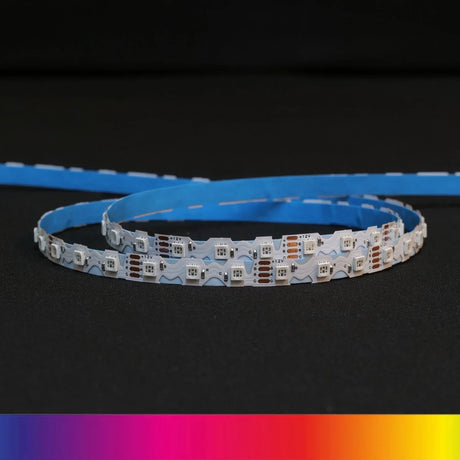
Bendable S-Shape RGB LED Strip 3835 Zig Zag IP20 Waterproof 12V 90 LEDs/m 8mm
SKU: S-RGB12V-B-8MM£35.85Unit price /Unavailable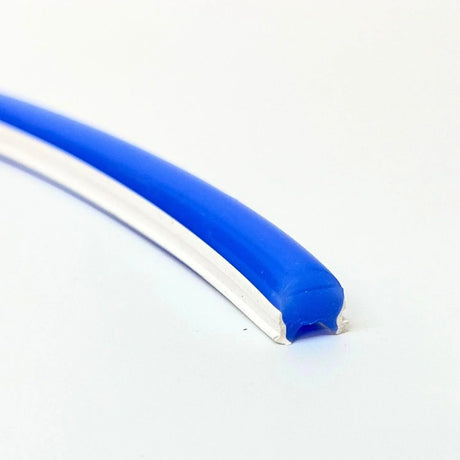
Blue Silicone Neon Flex Tube Diffuser Body for LED Strip Lights Neon Signs 8mm
SKU: SDBLUE8MMFrom £7.56Unit price /Unavailable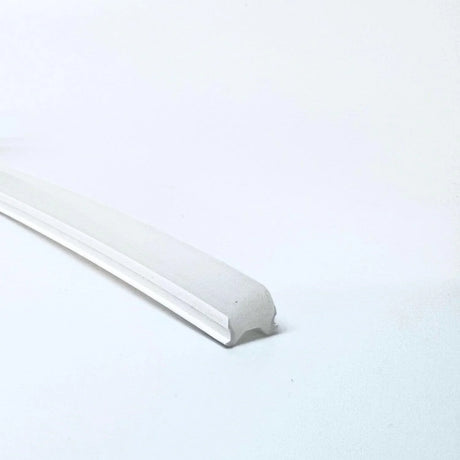
Cool White Silicone Neon Flex Tube Diffuser Body for LED Strip Lights Neon Signs 8mm
SKU: SDCW8MMFrom £7.56Unit price /Unavailable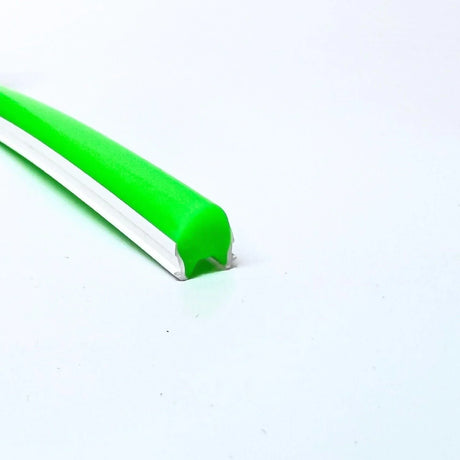
Green Silicone Neon Flex Tube Diffuser Body for LED Strip Lights Neon Signs 8mm
SKU: SDGREEN8MMFrom £7.56Unit price /Unavailable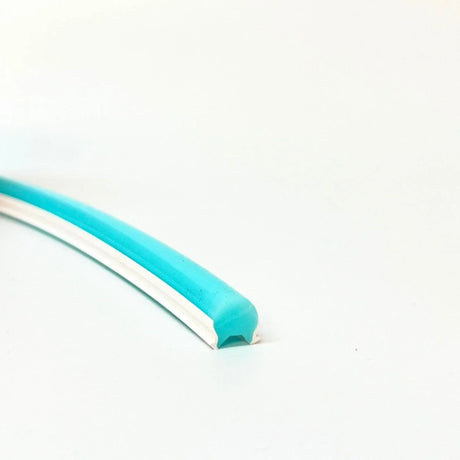
Ice Blue Silicone Neon Flex Tube Diffuser Body for LED Strip Lights Neon Signs 8mm
SKU: SDICEBLUE8MMFrom £7.56Unit price /Unavailable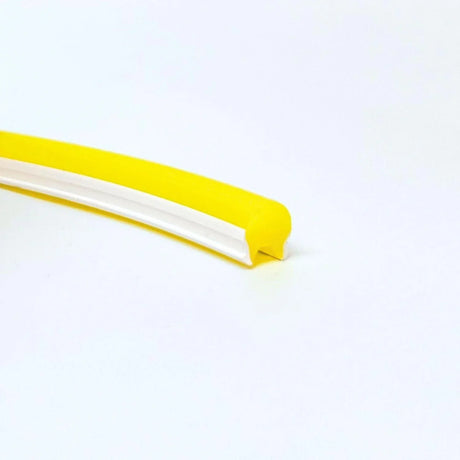
Lemon Yellow Silicone Neon Flex Tube Diffuser Body for LED Strip Lights Neon Signs 8mm
SKU: SDLEMYELLOW8MMFrom £7.56Unit price /Unavailable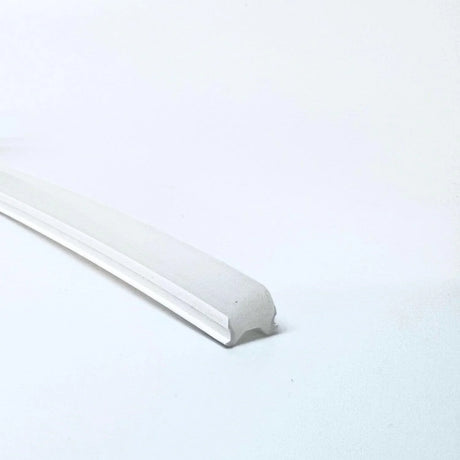
Natural White Silicone Neon Flex Tube Diffuser Body for LED Strip Lights Neon Signs 8mm
SKU: SDNW8MMFrom £7.56Unit price /Unavailable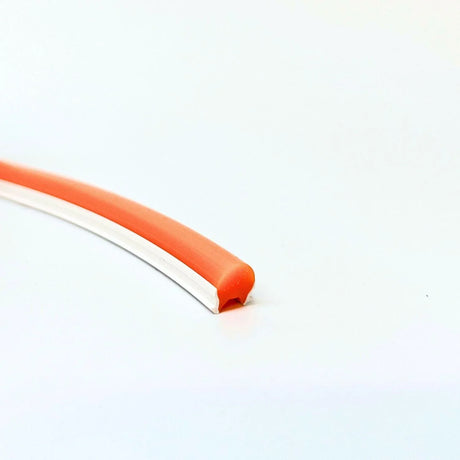
Orange Silicone Neon Flex Tube Diffuser Body for LED Strip Lights Neon Signs 8mm
SKU: SDORANGE8MMFrom £7.56Unit price /Unavailable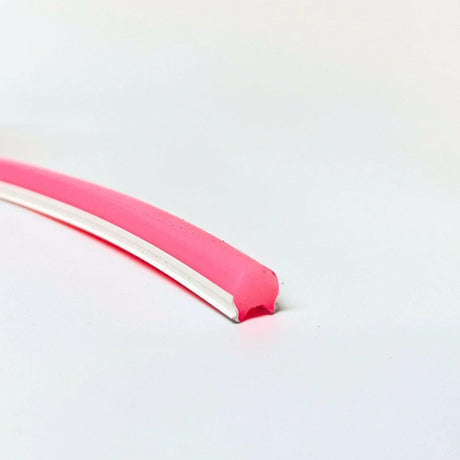
Pink Silicone Neon Flex Tube Diffuser Body for LED Strip Lights Neon Signs 8mm
SKU: SDPINK8MMFrom £7.56Unit price /Unavailable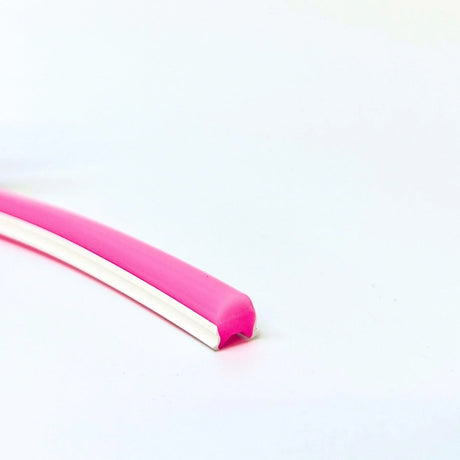
Pink Silicone Neon Flex Tube Diffuser Body for LED Strip Lights Neon Signs 8mm
SKU: SDPINK8MMFrom £7.56Unit price /Unavailable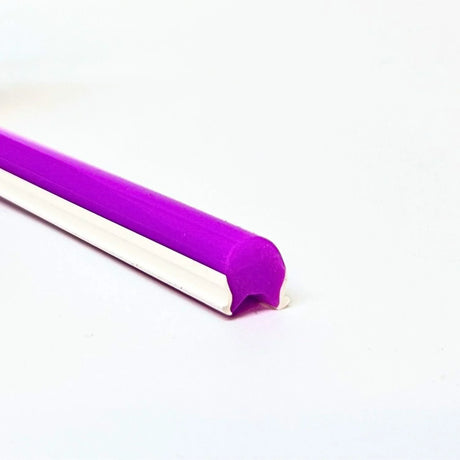
Purple Silicone Neon Flex Tube Diffuser Body for LED Strip Lights Neon Signs 8mm
SKU: SDPURPLE8MMFrom £7.56Unit price /Unavailable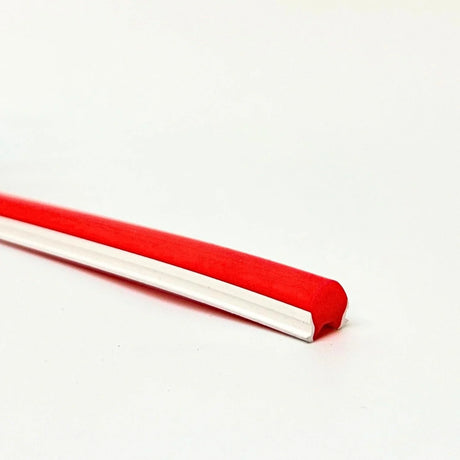
Red Silicone Neon Flex Tube Diffuser Body for LED Strip Lights Neon Signs 8mm
SKU: SDRED8MMFrom £7.56Unit price /Unavailable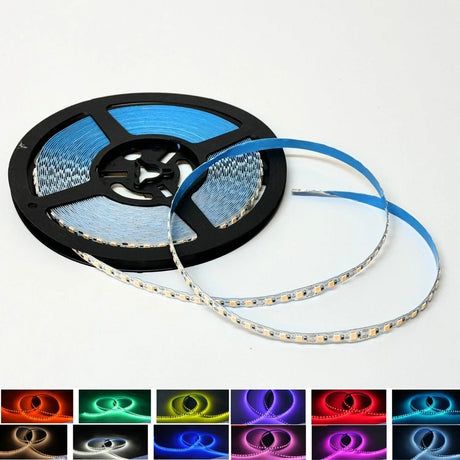
S-Shape Bendable LED Strip 12V 120 LEDs/m 6mm IP20 1cm Cut – 5 Metre
SKU: LS6MM12012V-WW£23.75Unit price /Unavailable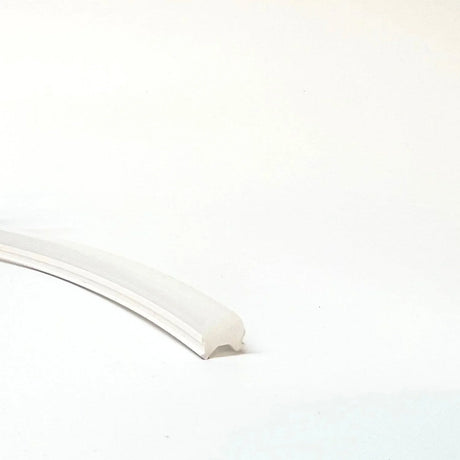
Warm White Silicone Neon Flex Tube Diffuser Body for LED Strip Lights Neon Signs 8mm
SKU: SDWW8MMFrom £7.56Unit price /Unavailable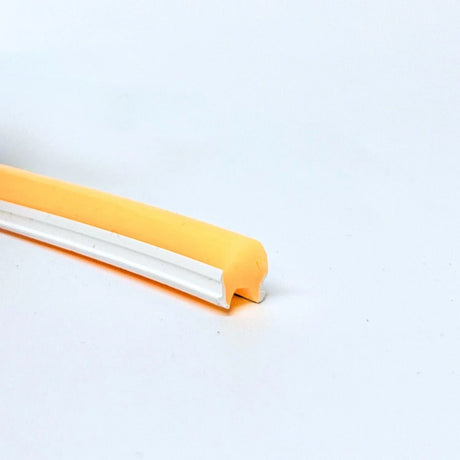
Yellow Silicone Neon Flex Tube Diffuser Body for LED Strip Lights Neon Signs 8mm
SKU: SDYELLOW8MMFrom £7.56Unit price /Unavailable
FAQ's
Compare traditional glass neon and LED neon advantages
Traditional glass neon offers a classic glow and craftsmanship, while LED neon is more energy-efficient, durable, lightweight, and safer to install. LED neon also allows lower running costs and greater design flexibility.
Best LED neon types for outdoor signage durability
Outdoor signage performs best with IP67 or IP68 rated LED neon flex made from UV-resistant silicone and sealed connectors. These materials withstand rain, temperature changes, and long-term exposure.
How to choose IP rating for neon sign installations
IP65 is suitable for indoor or sheltered areas, IP67 for outdoor walls exposed to rain, and IP68 for environments with standing water. The correct rating depends on moisture exposure and installation location.
Power supply recommendations for long neon flex runs
Long runs require correctly sized constant-voltage power supplies with headroom of 20–30% above total wattage. Higher voltage systems (24V or 48V) help reduce voltage drop on extended lengths.
Custom neon sign pricing factors to consider
Pricing depends on size, complexity of the design, colour choice, mounting method, IP rating, and power supply requirements. Custom shapes, layered acrylic, and outdoor ratings typically increase cost.
What are the main differences between traditional glass neon signs and modern LED neon sign products?
Glass neon uses gas-filled tubes and high voltage, while LED neon uses flexible LED strips encased in silicone. LED versions are cheaper to run, easier to maintain, and safer for most environments.
How do fixed-colour, RGB, and addressable LED neon signs differ?
Fixed-colour neon provides a single consistent colour, RGB allows colour changes, and addressable neon enables animated effects. Fixed-colour suits branding and signage, while RGB and addressable options suit displays and events.
What manufacturing methods are used for LED “neon effect” signs?
Common methods include neon flex mounted to acrylic backboards, acrylic block neon with embedded LEDs, and edge-lit acrylic panels. Each method balances brightness, depth, and visual impact differently.
How does the custom neon sign design process work?
Customers typically upload artwork or text, receive a digital proof, choose colours and sizes, and approve before production. Revisions are usually offered before final manufacturing begins.
Which fonts, colours, and backboard styles are most popular?
Script fonts and warm white or pink tones are popular for home and weddings, while bold sans-serif fonts and brand colours suit businesses. Cut-to-shape backboards are often preferred over rectangles for a premium look.
How can brands use layered acrylic or 3D elements to stand out?
Layered acrylic and raised lettering add depth and shadow, making signage more visible in busy environments. Mixed materials also enhance perceived quality and brand presence.
What are the key safety differences between glass neon and LED neon?
Glass neon operates at high voltage and can be fragile, while LED neon uses low voltage and produces less heat. This makes LED neon safer for homes, shops, and public spaces.
How are LED neon signs powered and what should customers know?
Most LED neon signs use 12V or 24V adapters and are plug-and-play, while outdoor signs require weather-rated power supplies. IP ratings must match the installation environment.
What mounting options exist for neon sign products?
Options include wall mounting with standoffs, hanging with cables, or free-standing frames. The best choice depends on visibility, portability, and surface type.
How can neon sign products increase footfall and brand recognition?
Bright, distinctive signage attracts attention, improves visibility from a distance, and reinforces brand identity. Neon signs are especially effective in evening and low-light environments.
What types of neon signs work best for weddings and events?
Lightweight LED neon signs with removable fixings work well for temporary events and can be reused or hired afterward. Popular designs include names, phrases, and decorative icons.
How do running costs and lifespans of LED neon compare with traditional neon?
LED neon consumes significantly less power and typically lasts 30,000–50,000 hours, compared with higher energy use and maintenance needs for glass neon.
What should customers compare when choosing a neon sign supplier?
Key factors include warranty length, LED quality, acrylic thickness, IP ratings, and design support. Clear communication and proof approval are also important.
Are budget online neon signs different from premium UK or EU options?
Lower-cost imports may use thinner acrylic, lower-grade LEDs, and limited safety certification. Premium suppliers often offer better durability, compliance, and after-sales support.
How do return policies and lead times differ between suppliers?
UK and EU suppliers typically offer clearer return policies and faster delivery, while international sellers may have longer lead times and stricter return conditions.